


Barfotaskor – Låter fötterna fungera som de ska
Foten har 26 ben, 33 leder och över 100 muskler. Byggd för att hantera krafter, balansera och anpassa sig till underlag.
Barfotaskor ger:
- Starkare fötter
- Bättre balans
- Rakare hållning
- Mindre belastning
-
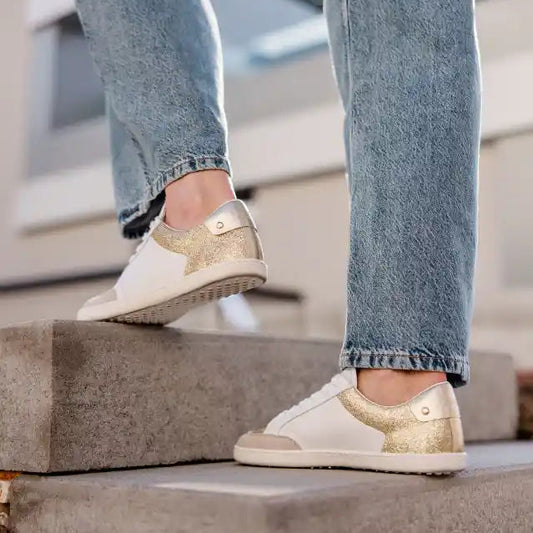
Shapen | Charm | Sneakers with glitter and leather
Vendor:ShapenRegular price $227.00Regular price $227.00 Sale priceUnit price per -
Shapen | Poppy | Sandal with interchangeable straps
Vendor:ShapenRegular price From $120.00Regular price From $120.00 Sale priceUnit price per$173.0030% -
Shapen | Orchid | Moccasin sandal with award-winning design
Vendor:ShapenRegular price From $132.00Regular price From $132.00 Sale priceUnit price per$173.0023% -
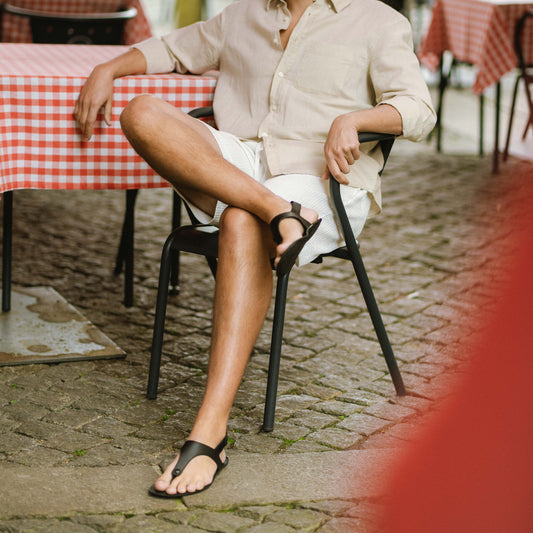
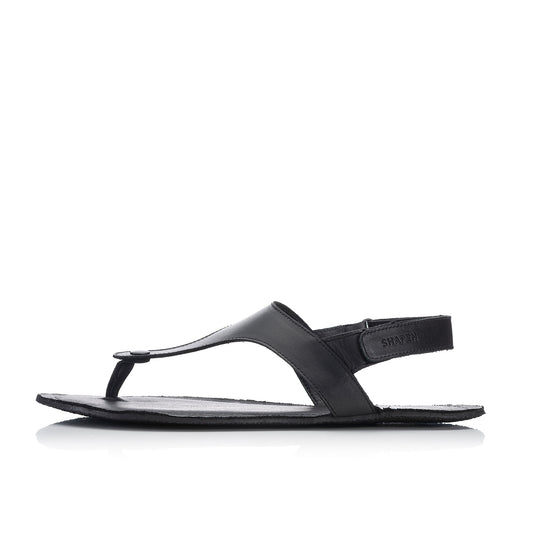 SPARA $48
The shape | Nomad | Unisex sandal
Vendor:ShapenRegular price $108.00Regular price $108.00 Sale priceUnit price per$156.0030% -

 SPARA $53
Shapen | Lily 3.0 | Leather sandal
Vendor:ShapenRegular price From $120.00Regular price From $120.00 Sale priceUnit price per$173.0030% -
Shapen | Calla | Sandal in vegetable tanned leather
Vendor:ShapenRegular price $120.00Regular price $120.00 Sale priceUnit price per$167.0028% -

 SPARA $29
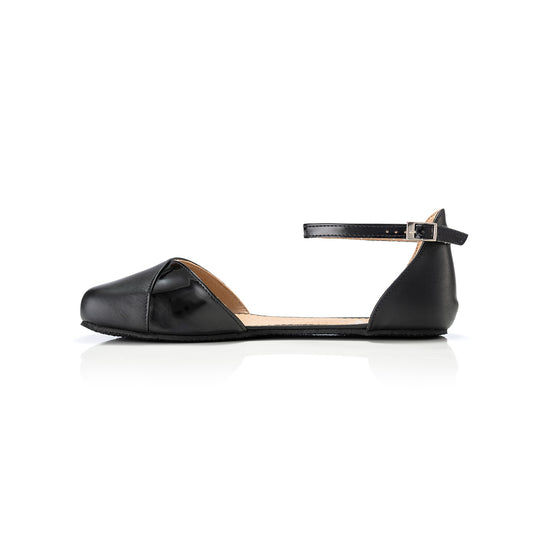
The shape | Tulip 3.0 | Ballerina
Vendor:ShapenRegular price From $144.00Regular price From $144.00 Sale priceUnit price per$173.0016% -
Realfoot | Farmer Spring & Fall | Unlined boot for adventure
Vendor:RealfootRegular price $203.00Regular price $203.00 Sale priceUnit price per$263.0022% -
BAAK | Phoenix shoe S3S | All-round safety shoe
Vendor:BAAKRegular price $239.00Regular price $239.00 Sale priceUnit price per -
BAAK | Pan safety shoe S1PS | Ultralight safety shoe
Vendor:BAAKRegular price $239.00Regular price $239.00 Sale priceUnit price per -
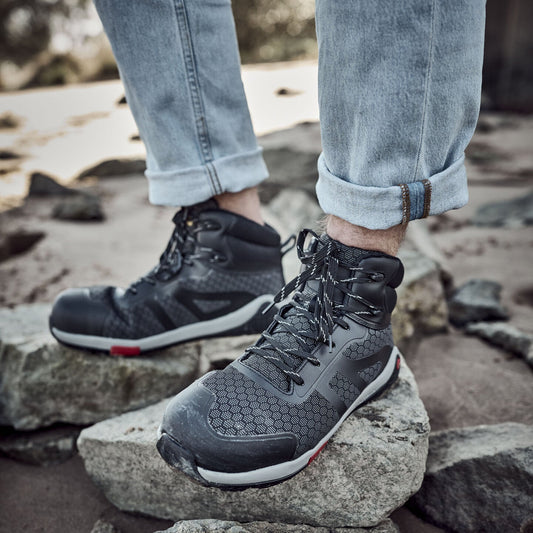
BAAK | Pegasus Boot S3S | Safety boot with toe protection
Vendor:BAAKRegular price $263.00Regular price $263.00 Sale priceUnit price per -
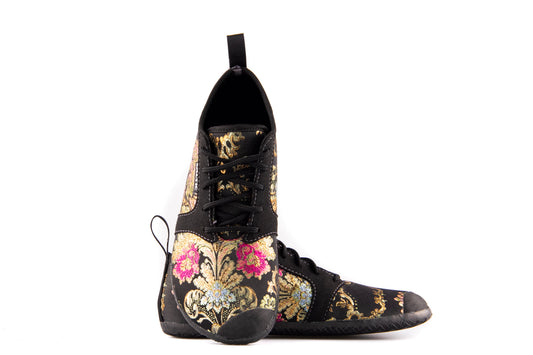
Saltic | Fura Fashion Vegan | Embroidered designer shoe
Vendor:SalticRegular price $227.00Regular price $227.00 Sale priceUnit price per$227.00 -
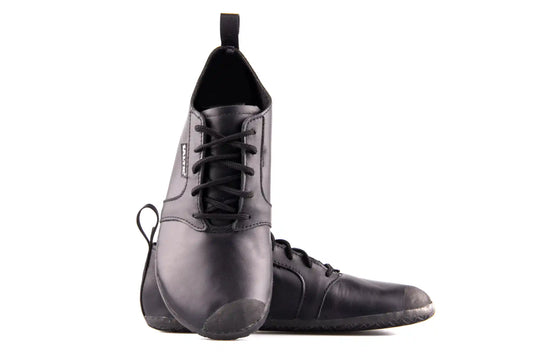
Saltic | Fura Fashion | Designer leather shoe
Vendor:SalticRegular price $227.00Regular price $227.00 Sale priceUnit price per$227.00 -
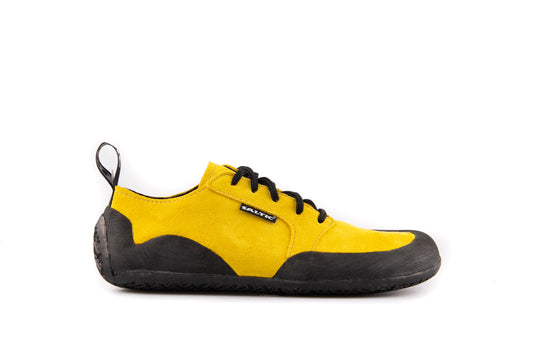
Saltic | Outdoor Flat | Low outdoor shoe for spring to autumn
Vendor:SalticRegular price $251.00Regular price $251.00 Sale priceUnit price per -
Saltic | Eliot | Barefoot climbing shoes
Vendor:SalticRegular price $263.00Regular price $263.00 Sale priceUnit price per -

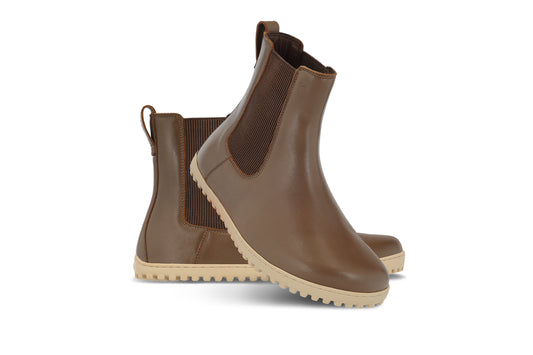 SPARA $60
Ask Lenka | Glam | Chelsea boots
Vendor:Be LenkaRegular price $167.00Regular price $167.00 Sale priceUnit price per$227.0026% -

 SPARA $36
Be Lenka | Nevada Neo | Classic boot
Vendor:Be LenkaRegular price $215.00Regular price $215.00 Sale priceUnit price per$251.0014% -

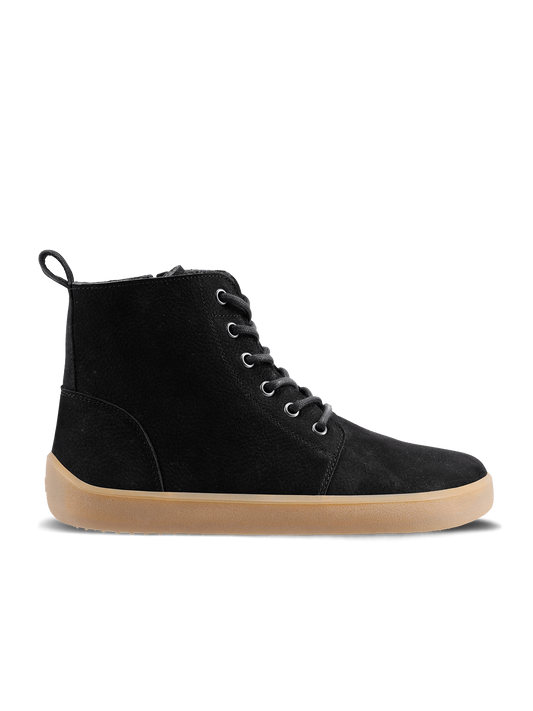 SPARA $12
Be Lenka | Atlas | Boots with zipper
Vendor:Be LenkaRegular price $227.00Regular price $227.00 Sale priceUnit price per$239.005% -
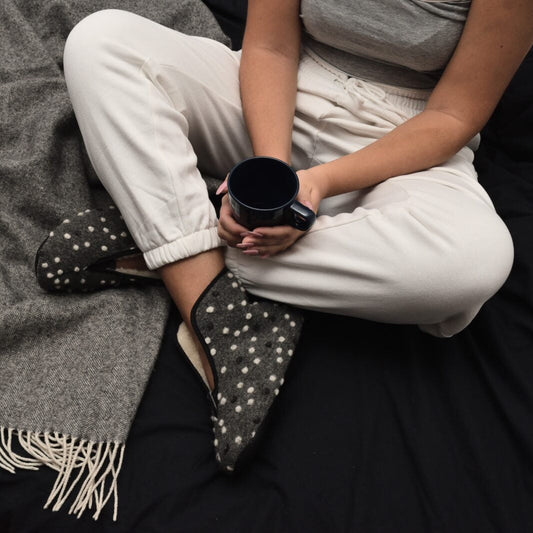
OmaKing | Troll Dots | Wool slippers
Vendor:OmakingRegular price $90.00Regular price $90.00 Sale priceUnit price per -
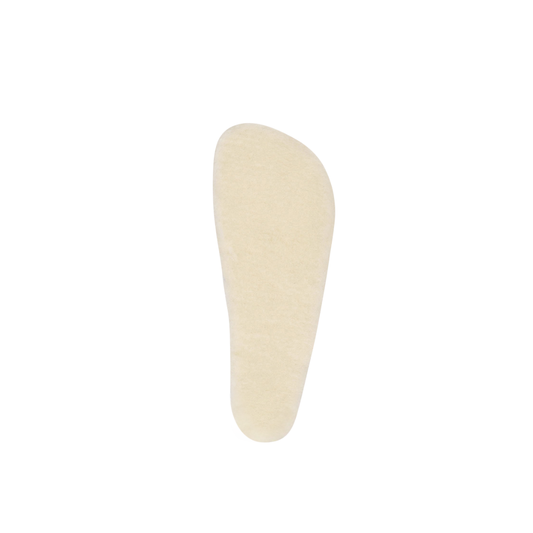
Ask Lenka | ThermoMax Wool | Merino wool sole
Vendor:Be LenkaRegular price $15.00Regular price $15.00 Sale priceUnit price per -
Be Lenka | York | Leather boots with merino wool
Vendor:Be LenkaRegular price $239.00Regular price $239.00 Sale priceUnit price per$263.009% -
 SPARA $36
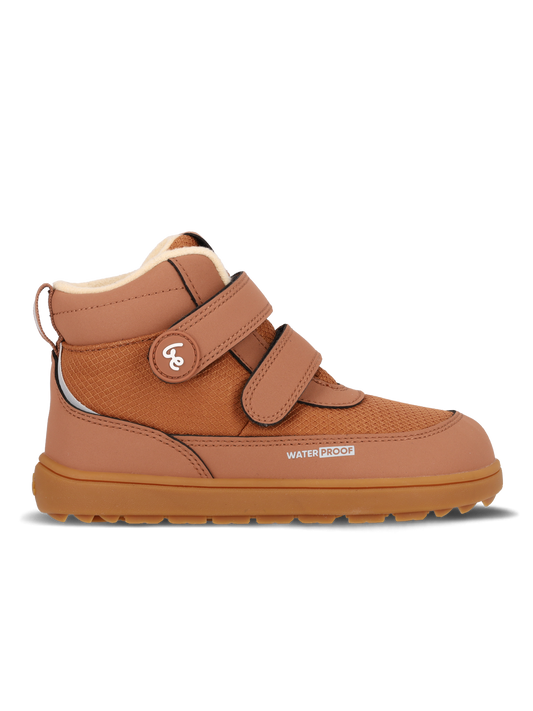
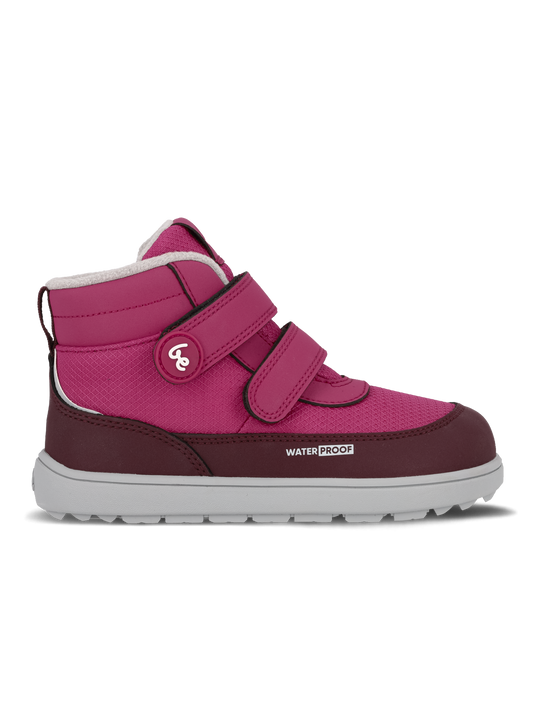
Be Lenka | Zippu | Warm lined boots
Vendor:Be LenkaRegular price $120.00Regular price $120.00 Sale priceUnit price per$156.0023% -
Be Lenka | Sydney | Vegan transitional shoe to barefoot shoes
Vendor:Be LenkaRegular price $215.00Regular price $215.00 Sale priceUnit price per$215.00 -
Be Lenka | Streetwise | Transition shoe to barefoot shoes
Vendor:Be LenkaRegular price $227.00Regular price $227.00 Sale priceUnit price per$227.00 -
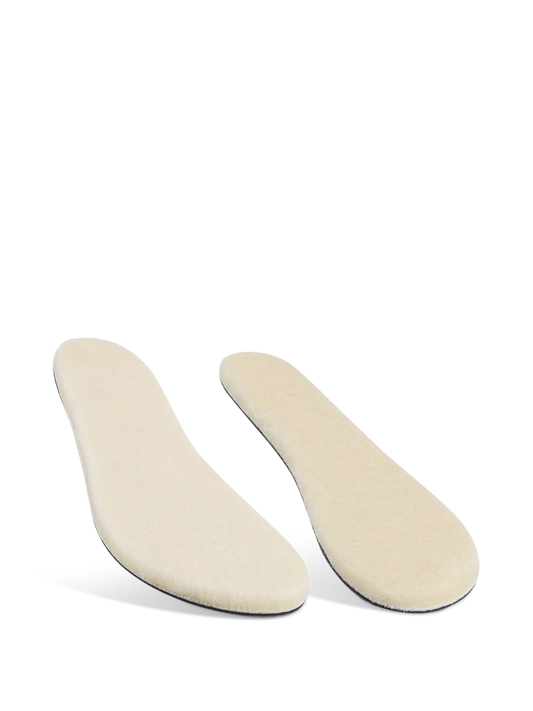
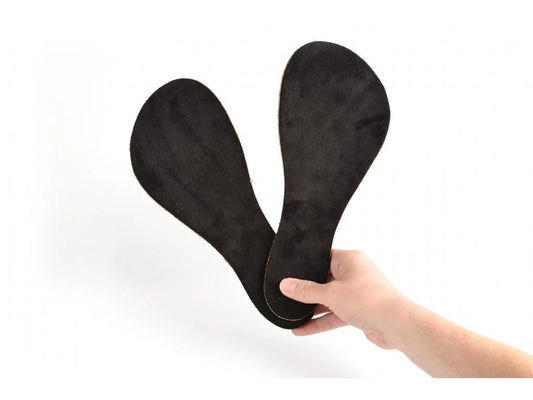
Realfoot | STANDARD 4mm Insole | Original insole replacement
Vendor:RealfootRegular price $21.00Regular price $21.00 Sale priceUnit price per -
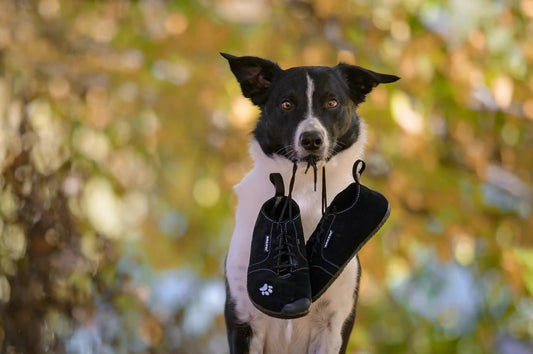
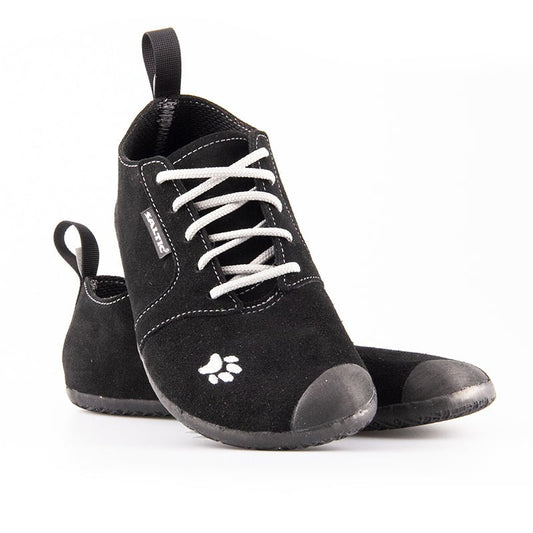
Saltic | Dog | Shoes for dog sports
Vendor:SalticRegular price $227.00Regular price $227.00 Sale priceUnit price per -
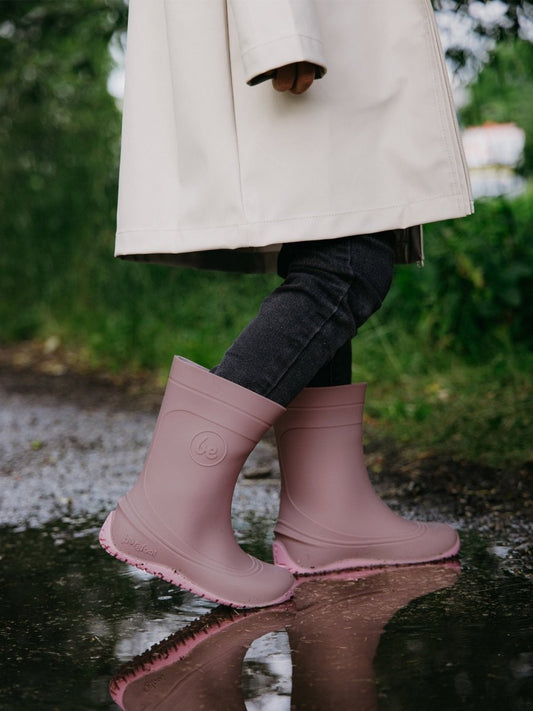
Be Lenka | Pudds | Rubber boots
Vendor:Be LenkaRegular price $84.00Regular price $84.00 Sale priceUnit price per -
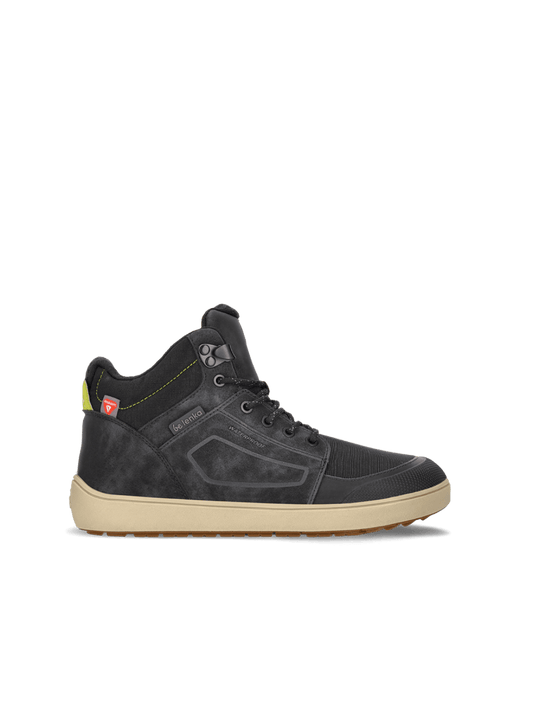
Be Lenka | ArcticEdge | Waterproof boots
Vendor:Be LenkaRegular price $263.00Regular price $263.00 Sale priceUnit price per -
Be Lenka | Ailo | Snow boots for children
Vendor:Be LenkaRegular price $96.00Regular price $96.00 Sale priceUnit price per$191.0049% -
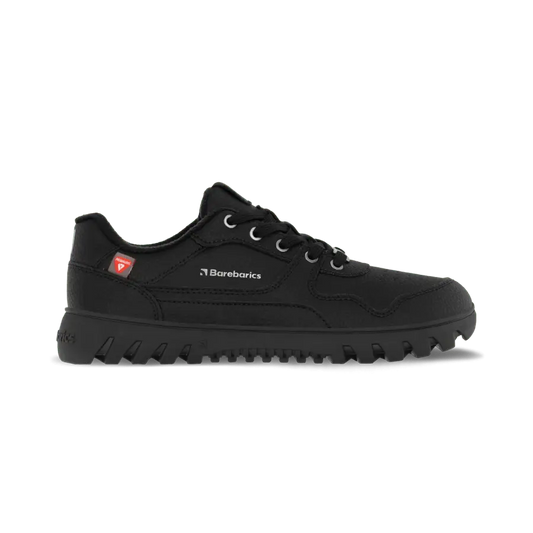
Barebarics | UrbanEdge | Waterproof boots
Vendor:BarebaricsRegular price $227.00Regular price $227.00 Sale priceUnit price per$227.00 -
Barebarics | PolarStride | Snow boots with zipper
Vendor:BarebaricsRegular price $179.00Regular price $179.00 Sale priceUnit price per$215.0016% -
Barebarics | Zing High Top | Classic high top sneakers
Vendor:BarebaricsRegular price $227.00Regular price $227.00 Sale priceUnit price per$239.005% -
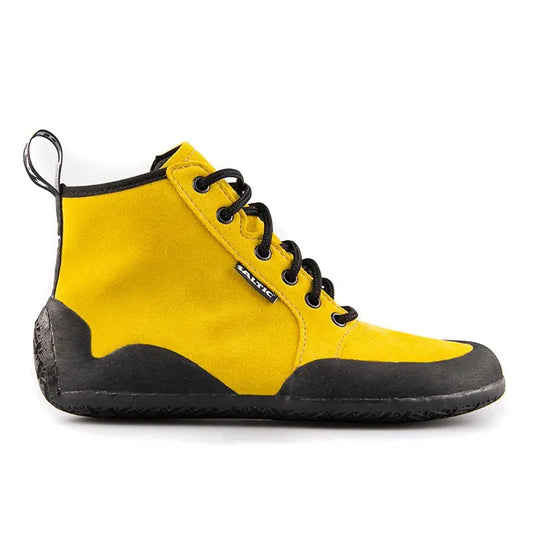
Saltic | Outdoor High | Outdoor boots for spring to autumn
Vendor:SalticRegular price From $203.00Regular price From $203.00 Sale priceUnit price per$263.0022% -
Saltic | Outdoor Winter | Outdoor boots with replaceable sole
Vendor:SalticRegular price From $215.00Regular price From $215.00 Sale priceUnit price per$275.0021% -
Saltic | Winter | Winter boots with replaceable sole
Vendor:SalticRegular price From $215.00Regular price From $215.00 Sale priceUnit price per$263.0018% -
Be Lenka | Allure | Chelsea boots with zipper
Vendor:Be LenkaRegular price $156.00Regular price $156.00 Sale priceUnit price per$239.0034% -
Be Lenka | Elio | Boots with laces size 35-38
Vendor:Be LenkaRegular price $96.00Regular price $96.00 Sale priceUnit price per$120.0020% -
Be Lenka | Elio | Boots with Velcro size 20-34
Vendor:Be LenkaRegular price $90.00Regular price $90.00 Sale priceUnit price per$114.0021% -
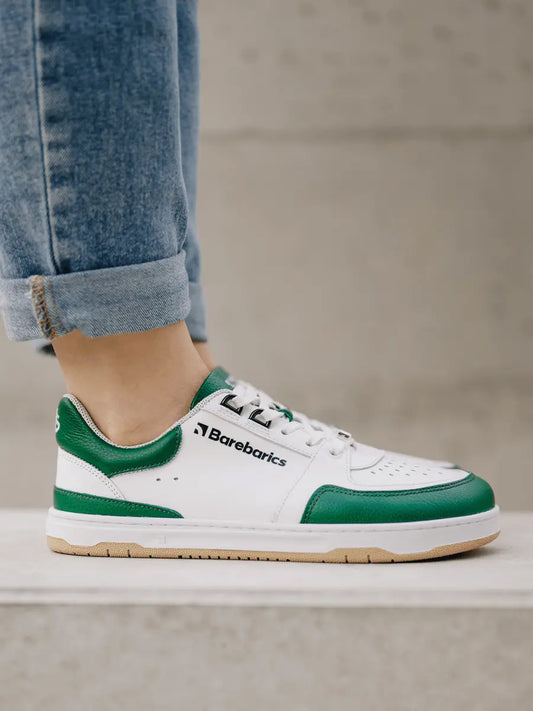
Barebarics sneakers | Enigma | Minimalist sneakers
Vendor:BarebaricsRegular price From $156.00Regular price From $156.00 Sale priceUnit price per$239.0034% -
Barebarics Sneakers | Wave | Sneakers in retro style
Vendor:BarebaricsRegular price $144.00Regular price $144.00 Sale priceUnit price per$227.0036% -
Be Lenka | Synergy Fleece | Ankle boot for spring & fall
Vendor:Be LenkaRegular price $144.00Regular price $144.00 Sale priceUnit price per$227.0036% -
Barebarics | Zing Frost | Winter lined sneakers
Vendor:BarebaricsRegular price From $167.00Regular price From $167.00 Sale priceUnit price per$227.0026% -
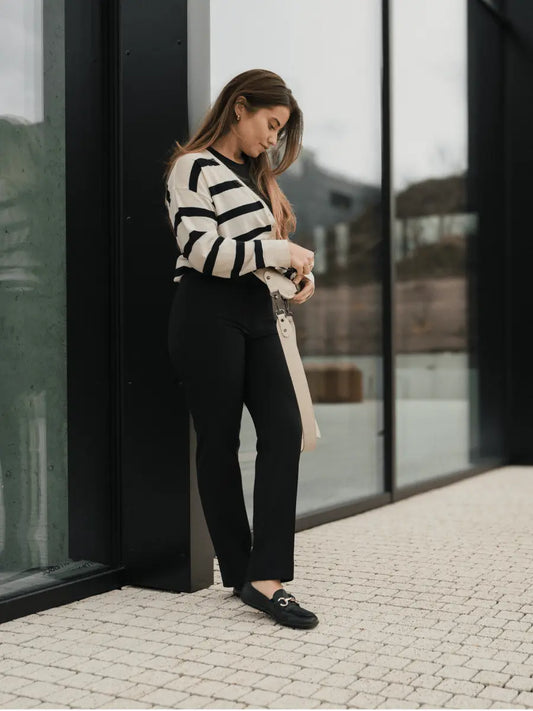
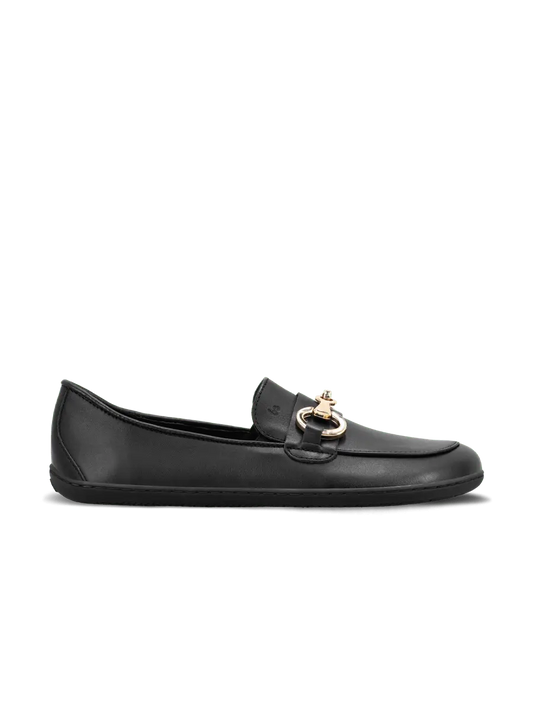
Ask Lenka | Viva | Elegant loafer
Vendor:Be LenkaRegular price $179.00Regular price $179.00 Sale priceUnit price per -
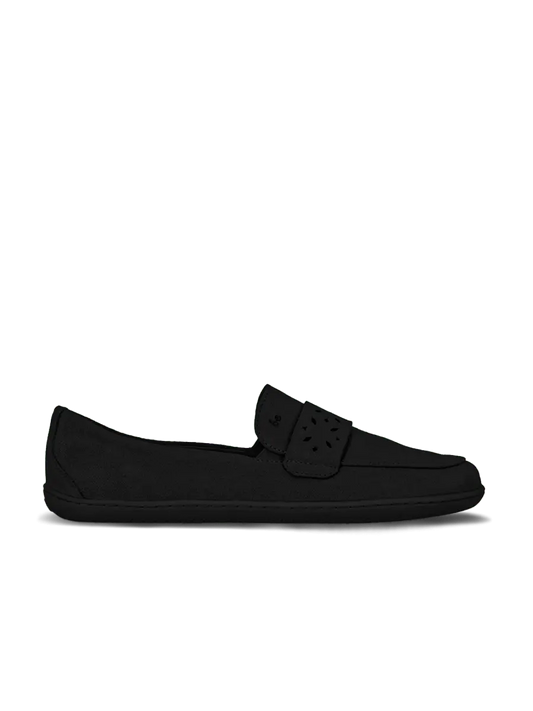
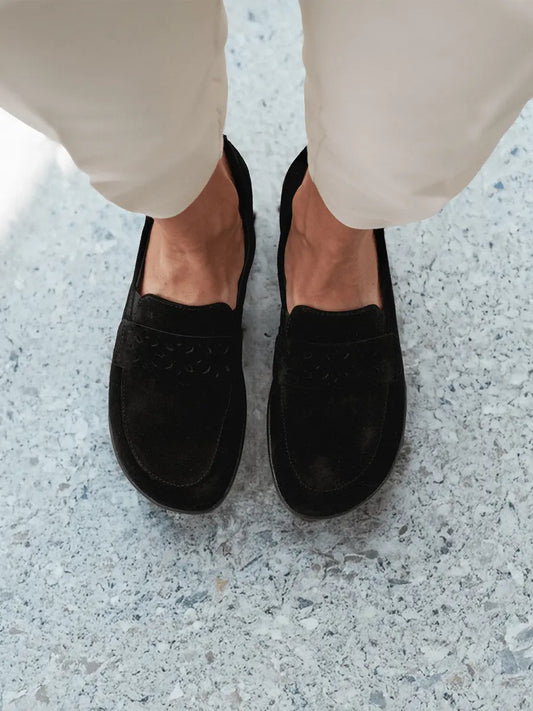
Be Lenka | Bianca | Suede loafers
Vendor:Be LenkaRegular price $179.00Regular price $179.00 Sale priceUnit price per -
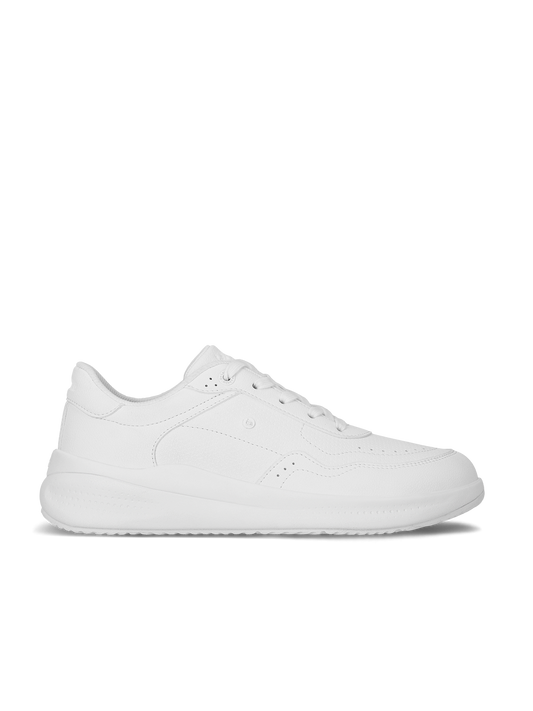
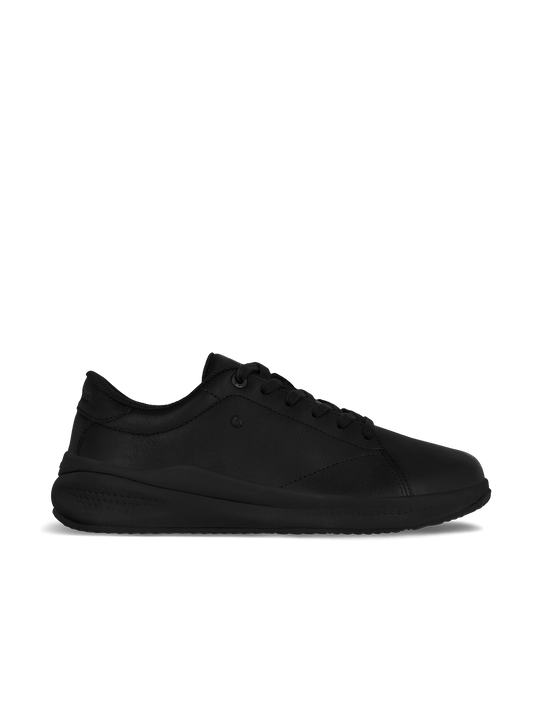
Ask Lenka | Energize | Sneakers
Vendor:Be LenkaRegular price $108.00Regular price $108.00 Sale priceUnit price per$108.00 -
Be Lenka | Winter | Merino wool lined boots
Vendor:Be LenkaRegular price $275.00Regular price $275.00 Sale priceUnit price per




























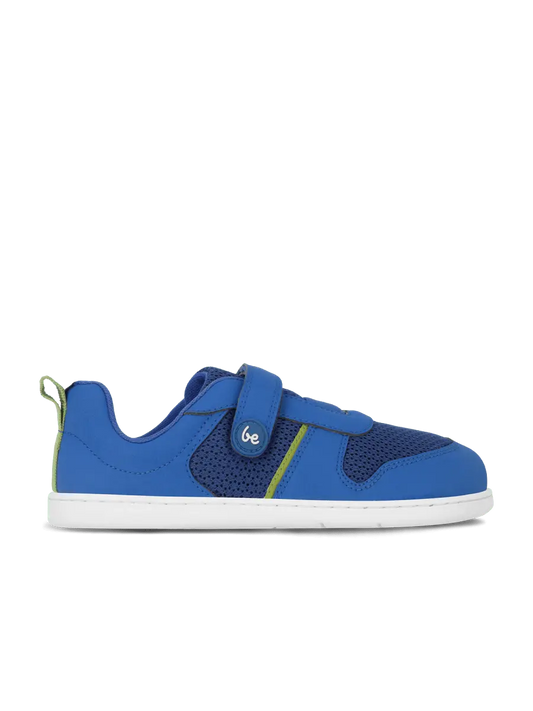



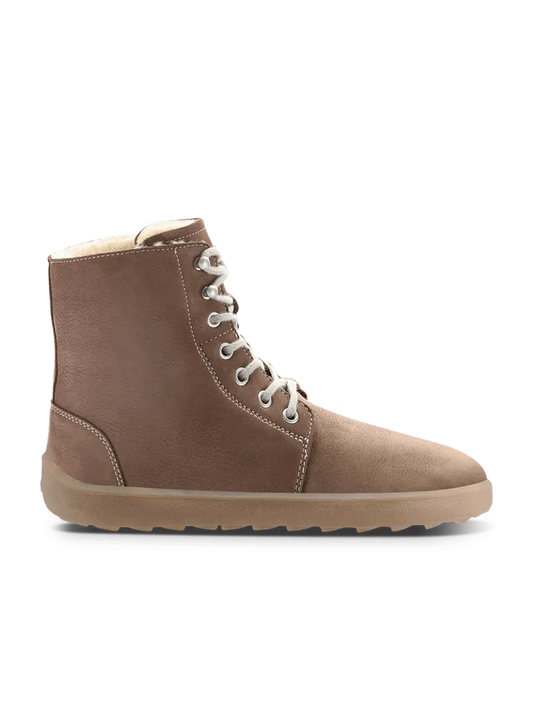
Vad gör en sko till en barfotasko?
Inte alla "minimalistiska" skor är riktiga barfotaskor. Här är vad som krävs:
Tunn sula (3-6 mm)
En barfotasko har en tunn, flexibel sula som låter dig känna underlaget. Det ger bättre balans och gör att foten kan anpassa sig naturligt till olika underlag. Ju mer feedback från marken, desto bättre kan kroppen justera rörelsemönster.
Bred tåbox
Tårna behöver plats att sprida ut sig när du går. En bred tåbox låter foten arbeta naturligt – inget klämmande som tvingar stortån inåt eller begränsar rörelsen. Dina tår ska kunna röra sig fritt.
Nolldropp (zero drop)
Hälen och framfoten ska vara på samma höjd. Inga hävda hälar som lutar dig framåt och ändrar gångmönstret. Nolldropp ger en neutral hållning och låter kroppen hitta sin naturliga balans.
Flexibel konstruktion
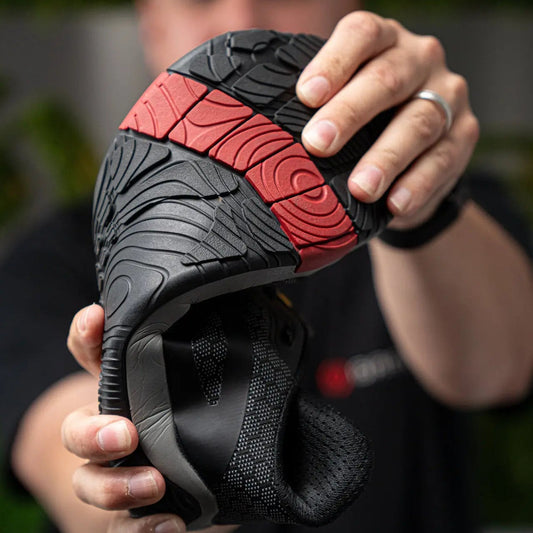
Skon ska böjas lätt i alla riktningar, precis som foten gör. Om du kan vika ihop skon eller vrida den – då är den flexibel nog. Styvhet begränsar fotens naturliga rörelse.

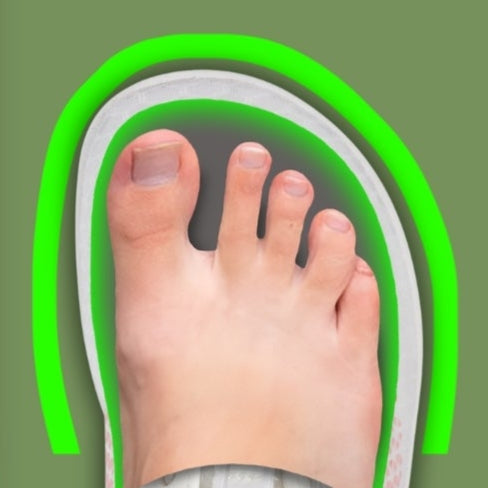
Stort utrymme för dina tår
Extra brett tåparti gör att dina tår får plats på ett naturligt sätt.

Flexibel sula
Flexibel sula låter din fot och dina tår röra sig obehindrat. Dessutom känner du hur marken är och exakt var foten befinner sig. Du kommer uppleva en oerhörd stabilitet.
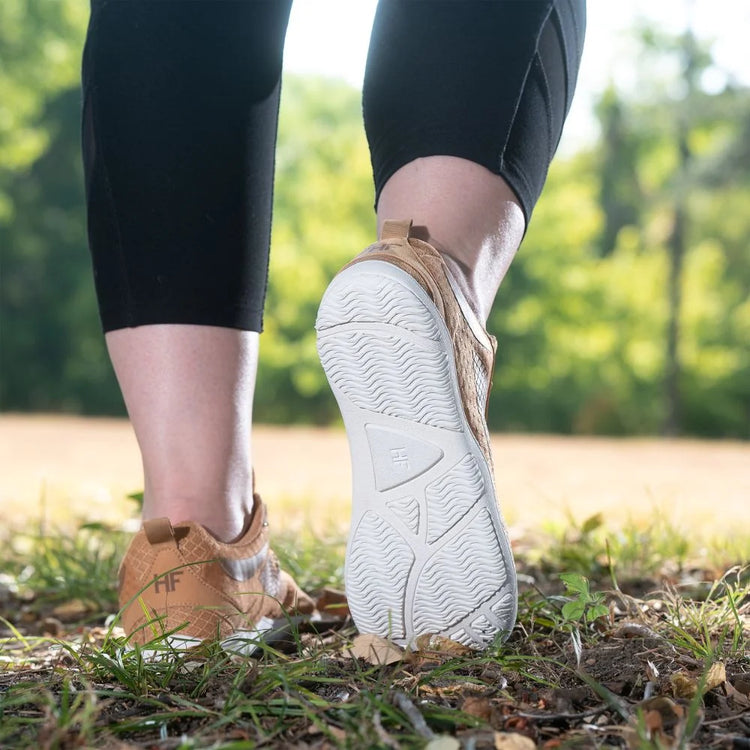
Mjuka och flexibla
Hållbara men ändå flexibla. Detta ger dina fötter full rörlighet.
FAQ
Varför är barfotaskor bra?
Varför är barfotaskor bra?
Foten har 26 ben, 33 leder och över 100 muskler. Den är byggd för att hantera krafter, balansera och anpassa sig till underlag. Men traditionella skor tvingar foten in i en passiv roll – hälen höjs, tårna klämmas ihop, sulan tar över jobbet från fotens egna muskler.
Barfotaskor gör tvärtom. De ger foten utrymme att sprida ut sig, aktiverar muskulaturen och låter dig känna marken under dig. Resultatet märks i hela kroppen:
- Starkare fötter – musklerna får jobba som de ska
- Bättre balans – du känner underlaget och kan justera steget
- Rakare hållning – nolldropp (ingen skillnad mellan häl och tå) ger naturlig ställning
- Mindre belastning – bättre kraftfördelning upp genom kroppen
Vad gör en sko till en barfotasko?
Vad gör en sko till en barfotasko?
Inte alla "minimalistiska" skor är riktiga barfotaskor. Här är vad som krävs:
Tunn sula (3-6 mm)
En barfotasko har en tunn, flexibel sula som låter dig känna underlaget. Det ger bättre balans och gör att foten kan anpassa sig naturligt till olika underlag. Ju mer feedback från marken, desto bättre kan kroppen justera rörelsemönster.
Bred tåbox
Tårna behöver plats att sprida ut sig när du går. En bred tåbox låter foten arbeta naturligt – inget klämande som tvingar stortån inåt eller begränsar rörelsen. Dina tår ska kunna röra sig fritt.
Nolldropp (zero drop)
Hälen och framfoten ska vara på samma höjd. Inga hävda hälar som lutar dig framåt och ändrar gångmönstret. Nolldropp ger en neutral hållning och låter kroppen hitta sin naturliga balans.
Flexibel konstruktion
Skon ska böjas lätt i alla riktningar, precis som foten gör. Om du kan vika ihop skon eller vrida den – då är den flexibel nog. Styvhet begränsar fotens naturliga rörelse.
Hur känns det att börja med barfotaskor?
Hur känns det att börja med barfotaskor?
Ärligt svar: Annorlunda först. Sen vill du inte gå tillbaka.
Dina fötter har förmodligen varit i traditionella skor hela livet. Musklerna är inte vana vid att jobba fullt ut. Därför behöver du en övergångsperiod – börja med kortare promenader och låt kroppen anpassa sig.
Första veckan: Märklig känsla, du känner varje ojämnhet. Vaderna kan vara ömma.
Efter några veckor: Fötterna känns starkare, gången mjukare.
Efter några månader: Du märker att du inte längre vill ha tillbaka tjocka, stötdämpande skor.
Vissa upplever förbättrad hållning, mindre ryggont eller bättre balans. Andra bara tycker fötterna mår bättre. Kroppen är olika, men övergången är viktig för alla.
För vem passar barfotaskor?
För vem passar barfotaskor?
För vuxna som vill ha friskare fötter. Om du har noterat att fötterna känns stela, att balansen inte är vad den var, eller om du bara är trött på trånga skor som klämer – då kan barfotaskor göra skillnad. Många som går över märker att de får tillbaka styrka och rörlighet i fötterna.
För barn som ska utvecklas naturligt. Barns fötter är mjuka och formas fortfarande. Barfotaskor ger utrymme för tårna att växa rakt, för fotvalvet att utvecklas naturligt och för musklerna att stärkas ordentligt. Barn som får gå i barfotaskor från början slipper ofta fotproblem senare.
För dig som rör på dig. Promenader, lätt löpning, styrketräning, vardagen – barfotaskor funkar för det mesta. De är inte specialiserade på ett enda – de låter kroppen röra sig som den ska, punkt.
Vad bör jag tänka på?
Vad bör jag tänka på?
Storleken: Barfotaskor ska sitta löst. Du behöver plats för tårna att sprida ut sig. Välj helst en storlek större än vanligt, särskilt för barn som växer. Be Lenka har detaljerade storleksguider – mät foten och följ dem.
Övergången tar tid: Stressa inte. Låt fötterna vänja sig gradvis. Byt inte alla skor på en gång – variera med vanliga skor första tiden om fötterna blir trötta.
Vintern kräver vintermodell: En tunn sommarsko funkar inte i svenska vintrar. Be Lenkas vintermodeller har foder och grepp för halt underlag. Välj rätt sko för årstiden.
Sulor vid behov: Ibland behöver man extra stöd eller värme. Det går bra att lägga i en iläggsula, så länge skon fortfarande är rymlig. Men ge fötterna chansen att jobba själva först.
Barfotaskor är inte en trend eller en gimmick. De är ett sätt att låta fötterna fungera som det är tänkt. Starkare fötter, bättre balans, naturligare gång. Om du är nyfiken: Börja med ett par lättdämpade skor. Ge fötterna tid att vänja sig. Se själv vad som händer.

Våra kunder har ordet:
Be Lenka
-
Be Lenka | Winter | Merino wool lined boots
Regular price $275.00Regular price $275.00 Sale priceUnit price per -
Be Lenka | Entice Neo | Classic Chelsea boots
Regular price $191.00Regular price $191.00 Sale priceUnit price per$227.0015% -
Be Lenka | Entice Neo | Classic Chelsea boots
Regular price $227.00Regular price $227.00 Sale priceUnit price per$227.00 -
Be Lenka | Entice Neo | Classic Chelsea boots
Regular price $227.00Regular price $227.00 Sale priceUnit price per$227.00 -
Be Lenka | Allure | Chelsea boots with zipper
Regular price $203.00Regular price $203.00 Sale priceUnit price per$203.00 -
Be Lenka | Allure | Chelsea boots with zipper
Regular price $156.00Regular price $156.00 Sale priceUnit price per$239.0034%

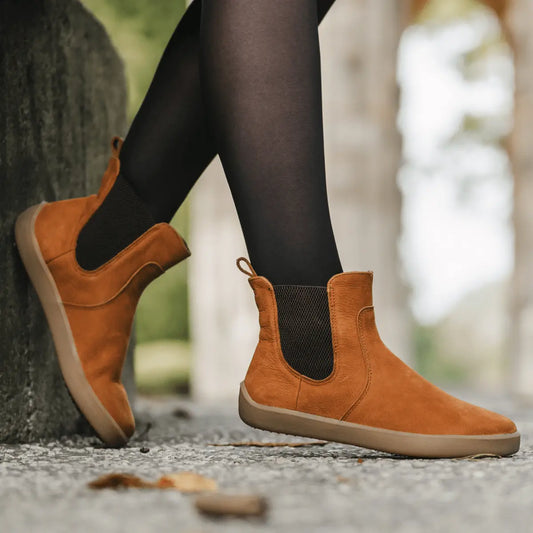


Saltic
-
Saltic | Fura Fashion | Designer leather shoe
Regular price $239.00Regular price $239.00 Sale priceUnit price per$239.00 -
Saltic | Outdoor Winter | Outdoor boots with replaceable sole
Regular price From $215.00Regular price From $215.00 Sale priceUnit price per$275.0021% -
Saltic | Winter | Winter boots with replaceable sole
Regular price From $215.00Regular price From $215.00 Sale priceUnit price per$263.0018%

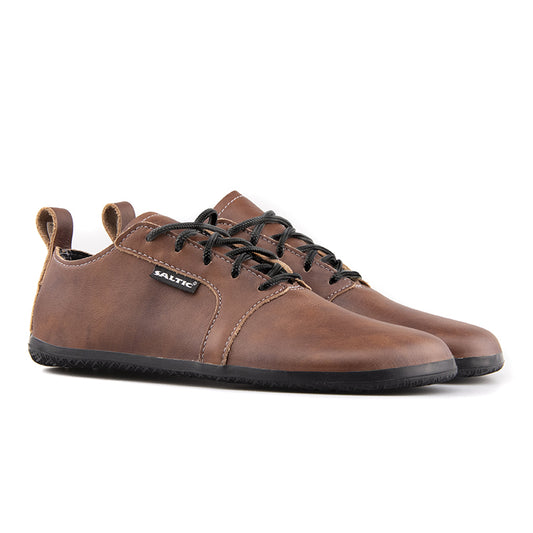
Barebarics
-
Zing Fresh
Regular price $203.00Regular price $203.00 Sale priceUnit price per$203.00 -
Barebarics | UrbanEdge | Waterproof boots
Regular price $227.00Regular price $227.00 Sale priceUnit price per$227.00 -
Barebarics | PolarStride | Snow boots with zipper
Regular price $179.00Regular price $179.00 Sale priceUnit price per$215.0016% -
Barebarics | Zing High Top | Classic high top sneakers
Regular price $227.00Regular price $227.00 Sale priceUnit price per$239.005% -
Barebarics sneakers | Enigma | Minimalist sneakers
Regular price From $156.00Regular price From $156.00 Sale priceUnit price per$239.0034%

