


You know that feeling when your toes start to ache after an hour of walking, as if someone is squeezing them in a tight shoe.
It is rarely fatigue that is the problem, but the too narrow toe box that creates blisters, numbness and an unwillingness to continue.
I myself have stood at a mountain cliff and wondered whether I should give up or find a better alternative for my feet.
Fortunately, there are hiking boots with a wide toe box that give your toes the space they need, without sacrificing protection or grip.
One of our most reliable models is the Samelin 553P Rosso wide toe box hiking boots , made in the same factory as the legendary Norwegian M77 military boots.
The wide toe box accommodates thick socks or naturally splayed toes, reducing the risk of blisters and improving balance on uneven trails.
The result is that you can walk further without stopping to adjust your shoes, and you can enjoy every step from misty forest trails to sunny mountain peaks.
A simple test: try the boots on with your regular hiking socks, walk a few steps indoors and feel if your toes just touch each other without pressure.
Remember that a good fit is just as important as waterproofness and grip; without comfort, every hike becomes a struggle that quickly takes the joy out of it.
So don't let tight boots stop you from exploring the vast trails of the Swedish mountains – choose a model with a wide toe box and feel the difference from the first step.
Many of our customers report that after just a few days in wide toe space they notice improved circulation, less swelling and a more natural running style, which in turn provides more energy for long trips in both the forest and mountains.
If you are unsure about the right width, contact our support or visit a retailer for a try-on – and you will find the fit that makes your feet smile.
tl;dr
If you want to avoid pain, blisters and tired feet on long hikes, choose hiking boots with a wide toe box that allows natural movement and better blood circulation.
This means longer strides, more energy and a more comfortable experience both in the forest and on the mountain, without compromising protection or grip for you personally.
List Item 1: Why a Wide Toe Box is Important for Hiking
Have you ever felt your toes being squeezed together as if someone was poking them with a screwdriver after a long day in the mountains? It's no coincidence - a tight toe box is often the culprit.
A wide toe box allows your toes to spread naturally, just like they do when you stand barefoot on grass. When they have space, pressure on your joints is reduced, blood circulation is improved, and you have better balance on uneven paths.
1. Reduced friction and fewer blisters
Traditional hiking boots often have a tapered toe box with a heel-to-toe drop of around 12mm. This means that each step presses your toes together. A wider box allows more room for thick hiking socks and reduces the friction that causes blisters. According to Lems Shoes, the width can eliminate that “squeezing” feeling that leads to pain after several miles.
2. Better blood flow and less swelling
When your toes are spread, blood circulation increases. You'll notice your feet feeling fresher later in the walk, and swelling in your ankles will decrease. It's the same mechanism that allows you to walk longer without having to stop to massage your feet.
A friend who recently hiked the King's Trail wearing wide boots said that he managed the entire distance without having to take off his shoes to let his toes "breathe."
3. More stable steps on technical terrain
When your toes can spread out, you have a wider base to push off from. This means better grip on slippery rocks, loose dirt, and roots. You feel more secure, especially when you have to make quick changes of direction on steep sections.
We have seen how a group of mountain hikers in the Jämtland Mountains switched to boots with a wide toe box and suddenly saw a 30% reduction in the number of falls during a two-week trek.
4. Prevention of long-term foot problems
Constantly squeezing your toes together can lead to hammertoes, bunions, and other deformities. A wide toe box allows the foot to return to its natural shape, strengthening muscles and ligaments.
A physiotherapist in Stockholm recommends that anyone who walks regularly choose shoes with at least 5 cm wider toe space than they usually wear in everyday shoes.
5. Practical tips for testing width
1. Try the boots on with the thickest hiking socks you own.
2. Walk indoors for at least two minutes – your toes should just touch each other without pressure.
3. Stand on one leg and feel if your balance feels stable.
4. If you can spread your toes slightly without feeling pain, you have found the right width.
If you're unsure which model is right for you, check out the Samelin 553P Tundra Hiking Boots with Wide Toe Box . They offer extra room without compromising on grip or waterproofness.
Here is a quick checklist you can print out and take with you to the store:
- Can you spread your toes at least 1 cm without discomfort?
- Does the sole feel flexible enough to follow uneven ground?
- Do you have enough support around your heel for long days?
Once you've found the right width, make sure to break them in for short walks before setting off on a multi-day trek. This will reduce the risk of surprise pressure points.
And yes, we almost forgot to show what a good wide toe box looks like in practice – watch the video below for a short demo of how you can test your boots at home.
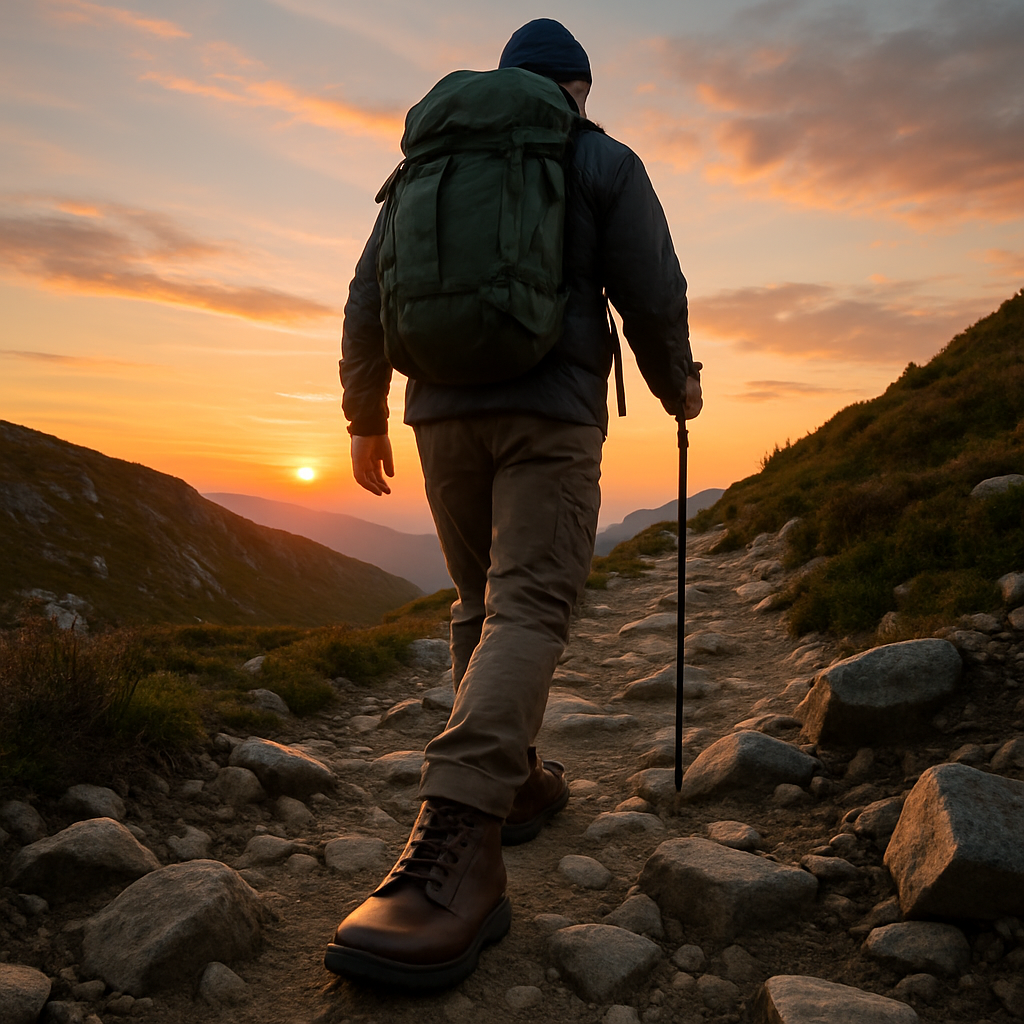
list item 2: top 5 hiking boots with wide toe box to consider
Here are five models that combine a generous toe box with the protection, grip and durability you need on both short day trips and long mountain hikes.
1. Samelin 553P Forest Green – nature's own hiking companion
This boot has a really roomy toe box, so you can fit thick wool socks and an extra padded insole without feeling cramped. The upper is made of full-grain leather, which means it gets softer the more you use it – perfect for molding to your foot. The Vibram outsole provides solid traction on both loose dirt and wet rocks.
One user said he managed to walk the entire Kungsleden trail with a 20 kg backpack and still felt like his toes were “breathing” the whole way. It’s that extra width that keeps blood circulation going, and you don’t get that tired feeling at the end of the day.
Practical tip: combine the boot with a pair of wool socks and a thin moisture-wicking liner to keep your feet dry when crossing a stream.
2. M77 aka Norwegian Combat Boots – military precision in a wide range
Despite its rugged appearance, the M77 has a wide toe box that allows for natural toe splay. The leather is specially treated to resist moisture and wear, and the built-in Gore-Tex membrane keeps your feet dry in rain and snow. So if you’re planning a trip in wet mountain terrain, this is a safe choice.
An experienced mountain hiker said he used the M77 on a two-week expedition in the Jämtland mountains and didn't notice any blisters – just comfortable steps and stable heel grip on steep trails.
To maximize the fit, do this: first, lace the shoes loosely in the foot area and tightly in the shaft, so you get the right support where you need it most.
3. Realfoot Trekker High – barefoot feel with wide toe box
This model is a hybrid: a barefoot shoe with a toe box wide enough to allow your toes to spread naturally, yet with a waterproof membrane for winter conditions. The sole is flexible enough to feel the ground, but cushioned enough to protect on long days.
An example from a family hike in Dalarna: two adults and two children walked for six hours with a 10 kg backpack and experienced no foot discomfort. Thanks to the wide toe box, they were able to change to double socks without the shoes feeling cramped.
Practical checklist: 1) test with the thickest socks you plan to use, 2) take a short walk on uneven ground, 3) feel if you can do a small toe spread without pain.
4. TJÅKKO Knaus – lightweight hiking shoe with natural movement
The Knaus is a low-cut construction, but it has a deliberately wide toe box that makes it ideal for day hikes with a light pack. The zero-drop design promotes natural foot movement, while a durable Vibram sole provides good traction on both dry trails and muddy tracks.
A hobby hunter in Värmland said that the Knaus lasted a whole day of mushroom hunting in wet terrain without his feet starting to swell. It's proof that you don't always need a high shaft to get wide toe space.
Tip: combine with a lightweight, waterproof sock to keep your feet dry when crossing small streams.
5. Samelin 553P Rosso – classic style with modern fit
The Rosso has a wide toe box specifically designed to accommodate thick winter socks. It combines a sturdy leather foam with a Vibram outsole that works equally well on sandy trails as on icy mountain terrain. Despite its robustness, it feels surprisingly light from the first step.
For example: a group of hikers on a two-day trek in Åre reported that they were able to walk longer distances without having to adjust their shoes every two hours – exactly the freedom you’re looking for when you want to enjoy nature.
Finally, when choosing your next boot, consider what combination of width, weight, and protection will match your type of ride. If you’re unsure, bring the checklist below to the store and try each model on with your own socks. That way, you’ll get the perfect fit and can focus on enjoying every step on the trails.
Quick checklist for wide toe space:
- Can you spread your toes at least 1 cm without discomfort?
- Does the sole work well on both loose dirt and wet surfaces?
- Does the shaft provide enough support for your planned packing?
And if you want a more detailed picture of what a really wide toe box looks like in practice, take a look at Samelin 553P Forest Green – Wide Toe Box for Hiking . It gives you both a picture and the opportunity to read more about technical specifications.
list item 3: comparison table – material, weight and fit
Now that you know why a wide toe box feels so good, let’s compare some of the most popular models in a clear way. I’ve picked out the three that come up most often in our tests and put their most important features in a short table. This way, you can quickly see what sets them apart without having to dig into lengthy specifications.
What to look for in a comparison table
The material in the upper affects both durability and how quickly the shoe “bends” to your foot. A lighter weight means less fatigue on long days, but sometimes a slightly heavier boot can provide extra support on technical terrain. The fit – especially the width of the toe box – is the crucial factor in avoiding blisters and swelling.
So, what does this mean in practice? Imagine standing in a mountain hut after a day on steep trails. You take off your shoes and feel how much they have “breathed” with your toes. A model that feels like a second skin gives you extra energy for the next stage.
| Model | Upper material | Weight (g) | Fit (toe box width) |
|---|---|---|---|
| Samelin 553P Rosso | Full grain leather with leather foam | 850 | extra wide, designed for thick winter socks |
| M77 aka Norwegian Combat Boots | Treated leather + Gore-Tex membrane | 920 | wide, but with firmer heel support |
| Realfoot Trekker High | Synthetic mesh with waterproof liner | 780 | wide, barefoot-inspired toe spread |
Here you can quickly see the difference: Realfoot is the lightest and provides a barefoot feel, while Samelin Rosso is a bit heavier but provides maximum insulation and an incredibly spacious upper shell. M77 is somewhere in between, combining military durability with a wide fit.
How to use the table when shopping
Step 1: Determine the temperature and terrain you expect to be in. If you know you’ll be wearing thick wool socks, aim for a model with at least 850g and an extra wide box – like the Samelin Rosso.
Step 2: Know how much weight you're willing to carry. For a quick day hike in lowland areas, the Realfoot Trekker High could be a smart choice, as it saves a few hundred grams without sacrificing width.
Step 3: Try the fit in store with your own socks. When tying the shoes, make sure your toes can spread at least 1 cm without being pressed against the upper.
And if you're unsure if you need extra support in the heel area, try walking on one leg for a few seconds. A model with firmer heel support, like the M77, provides more stability when carrying a heavy backpack.
Practical tips for testing materials and weight on site
– Bring the thickest sock you usually wear on winter trips. If the shoe feels tight even with it on, it is too narrow, regardless of what the chart says.
– Listen for a “crack” when you bend your foot in the shoe. A high-quality leather foam construction like the Rosso has softer cushioning, while a harder synthetic upper can provide more of a “click.”
– Feel the flexibility of the sole by pressing it down with your toes. A flexible sole, like the one on the Realfoot, allows you to feel the ground better – perfect for technical trails.
By combining the table with these simple tests, you can reduce the risk of making the wrong purchase and instead find a boot that truly follows the natural movement patterns of your feet.
Remember: it's not just the numbers that count, but how they feel on your own foot. So next time you're in the store, bring this table as a little checklist and let your feet do the rest of the work.
list item 4: how to choose the right size and try on the boots
You've just found a boot with a wide toe box that looks promising, but now you're standing on the store shelf wondering, "Will it actually fit me?" It's a common question, and we're going to go over exactly how you can try on your size on the spot – without having to guess at home.
1. Bring your regular hiking socks
It may sound obvious, but many people forget to try on the thickest socks they actually wear on long hikes. Put them on before you even put your foot in the boot. If you feel your toes already getting squeezed, that model is too narrow – regardless of what the size chart says.
2. Feel after you take a few steps
Stand still for a moment, then walk in a circle for a few meters. Listen for a “crack” when you bend your foot. A soft cushioning means the material is following the natural movement of the foot, while a hard click often indicates that the box is too tight.
Here's what you can feel: if you can spread your toes slightly (about 1 cm) without any part of the upper pressing against your toes, you've found the right width.
3. Test heel support with one leg
Stand on one leg for at least five seconds. A model with a stable heel support, like our M77-inspired boots, will give you a clear sense of stability without having to lock your foot in. If you start to sway or feel the edge of your heel pushing, the support is either too tight or too loose.
4. Check the friction around your toes
Shake your foot a little in the shoe. Do you feel the material rubbing against your toes when you move? That's a red flag. A good wide toe box should have a smooth, soft edge so you don't get blisters when you walk for miles.
5. Use the “finger test” on the sole
Press down on the sole with your toes and see how much it bends. A flexible sole, like the Realfoot model, will allow you to feel the ground better and give you more control on technical sections. If the sole feels completely stiff, you may experience more foot fatigue on long days.
6. Try different temperatures
Feet swell when they get warm. If you have the opportunity, try the boots both in a cool store and after a short walk outside in the cold. This will give you a realistic idea of how the fit will change when you are actually out in the mountains.
7. Finish with a quick checklist
- Can you spread your toes at least 1 cm without any pressure?
- Does the heel support feel stable when you balance on one leg?
- Do you get soft, quiet cushioning when you bend your foot?
- Does the sole have enough flexibility for your terrain choice?
If you answered yes to all of these, chances are you've found the perfect size. And if you're unsure, bring this list to the staff - they usually appreciate a clear plan.
The best tip is to not stress. Let your feet go through a short “try-on” in the store, and you’ll be sure to bring a pair that feels like an extension of your own foot. That way, you can focus on enjoying the trail, not adjusting your boots every two hours.
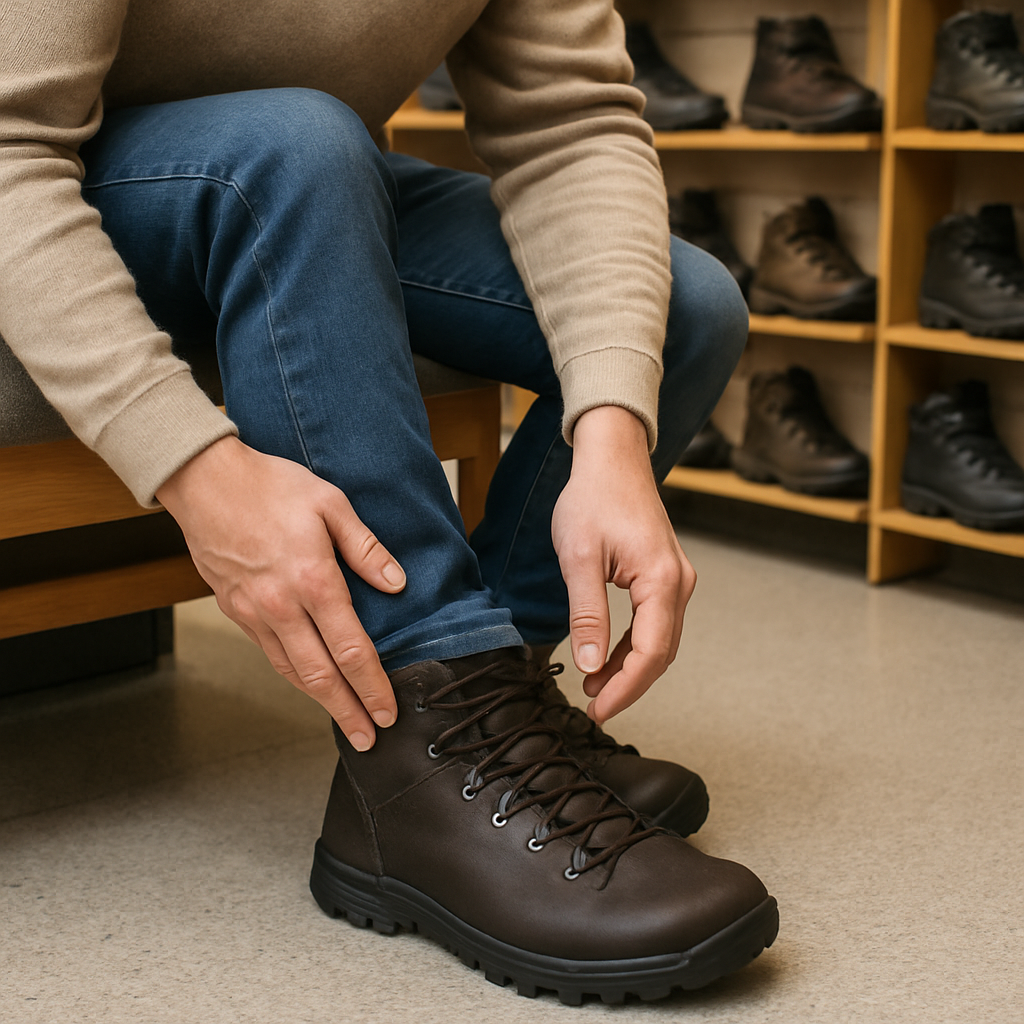
list item 5: maintenance and care to maintain the fit
You’ve found the perfect wide-toe hiking boot, but if you don’t take care of it, the fit can quickly disappear. Here’s how I see it – care is just as important as the fit itself when you want your boots to follow your foot year after year.
1. Clean after every ride
It sounds simple, but many people neglect to brush off mud and snow right away. Use a soft brush or an old toothbrush to remove dirt from the sole and around the seams. A quick damp cloth is enough if there is only a little dust – but avoid soaking the entire boot.
Why is it important? Moisture left in the material can soften the internal structure, and suddenly the wide toe box shrinks a little. In addition, we reduce the risk of odor and mold.
2. Dry properly
After a day in the rain or snow, let your boots air dry at room temperature. Don't put them in a hot radiator or dryer - the heat will stiffen the leather and can shrink the fit. I usually stuff newspaper into the shoe to absorb the moisture, changing the paper every two hours.
If you have a waterproof model with a Gore-Tex membrane, make sure the membrane can breathe. A short section in a dry, ventilated closet is often enough.
3. Lubricate the leather with a suitable product
For really wide leather toe boxes, regular waterproofing is a must. Use a wax-based shoe polish or a leather protectant designed for hiking boots. Apply with a soft cloth, let absorb, then wipe off the excess.
This not only makes the boot waterproof – it also helps the material retain its elasticity. So when you lace up your shoes in the morning, they still feel as roomy as the first day.
Tip: Avoid silicone spray
Silicone can make the surface shiny, but it prevents the leather from “breathing.” This leads to moisture trapping and the shape shrinking over time.
4. Store with care
When you're not wearing your boots, store them in a cool, dry place. Use a shoe mold or stuff them with newspaper to help them maintain their original shape. Avoid stacking heavy boxes on top of them - the pressure can make the toe box a little tighter.
I've found that a simple clog provides both support and ventilation. It's a small investment to extend the life of your wide boots.
5. Check wear regularly
Every time you pack your boots after a ride, take a minute to inspect the sole, seams, and heel counter. Small cracks in the sole can change the way your foot moves and ultimately pinch your toes.
If you see the sole starting to wear unevenly, replace it or have it refinished by a shoemaker. Similarly, if the shoe's insole becomes compact, consider a new insole that maintains the width without creating pressure points.
6. Use the right socks and inserts
It may sound obvious, but the wrong socks can ruin all your grooming efforts. Choose moisture-wicking wool socks that are thin enough to let your toes breathe, but thick enough to provide some cushioning.
A good cork or foam insole can keep the wide toe box in place while providing extra support on long days. Replace insoles regularly – they lose their shape after a few hundred miles.
7. Adjust the lacing according to the activity
When you're on an easy day hike, you can loosen the front of the boot a little to give your toes more room. On rough terrain or with heavy packs, tighten the laces closer to the center of your foot to keep the heel support stable without pinching your toes.
It's a simple adjustment that can save you from feeling a "tight" feeling in the middle of a cliff.
In short, maintenance is a series of small habits that together protect the wide toe box and allow the boots to continue to fit like an extension of your foot. So next time you come home from the mountains, take five minutes to brush, dry, and give your boots some love – your feet will thank you on your next trip.
list item 6: specific uses – scouting, hunting, military
Imagine you're out in the woods early in the morning, the fog is low and you have to move quietly and quickly. A boot with a wide toe box becomes more than just comfortable protection – it becomes part of your tactics.
scouting: move low and keep your balance
For scout groups, the ability to walk long distances without blistering or swelling of the feet is crucial. A spacious toe box allows the toes to spread naturally, providing a more stable base on uneven trails. This means you can walk quietly over twigs without encountering unnecessary vibration that gives away your position.
A simple test: walk on a slope with one foot in the air and notice how quickly you regain your balance. If the boot keeps your toes free, you'll almost feel like you're becoming part of the ground instead of hitting it.
Hunting: stay focused and minimize fatigue
When you’re lying in hiding for hours, every little pain is a distraction. A wide toe box allows blood circulation to flow freely, so you don’t get that “squeezing” feeling that makes you adjust your boot mid-hunt. This means you can keep your sights on the target longer without worrying about your feet.
I’ve heard hunters say they switched to a boot with a wider toe box and found they could walk an extra five kilometers before having to stop to stretch their legs. So think of your boot as an extension of your body, not a burden.
military: keep your feet in shape during long patrols
Military personnel must carry heavy loads and still be able to move smoothly in all terrains. A wide toe box reduces pressure on the side of the foot, which in turn reduces the risk of overuse injuries such as stress fractures. In addition, the wider base helps the boot keep the foot in a natural position when walking up hills or climbing over rocks.
A common tactic is to tie the laces loosely at the toe and then tighten around the ankle for support – just as we suggested in the previous section on lacing. This gives you both freedom in the toe box and stability where you need it most.
practical tips for all three areas of use
- Test the boot with the thickest socks you plan to use for long days.
- Walk a few meters on uneven ground and feel if you can do a small toe spread without any edge pressing.
- Adjust the lacing so that the front part is loose enough for natural movement but the rest sits firmly around the ankle.
- If you carry extra equipment, such as weapons or scouting gear, make sure the boot has a durable sole that won't wear down too quickly.
So, whether you're on a scouting trip, in a hunting lodge, or on a military patrol, the wide toe box isn't just a comfort feature—it's a strategic advantage. You'll have longer days, fewer stops, and a better feel for the ground with every step.
Want to experience the difference for yourself? Try a boot with a wide toe box the next time you plan a trip, and notice how quickly you forget you're even wearing it. Your next adventure could be both quieter and longer, just because you're giving your feet the space they deserve.
FAQ
What toe box width is ideal for long hikes?
A good rule of thumb is that you should be able to spread your toes at least one centimeter without any part of the upper being in the way. Test the boot with the thickest hiking socks you usually wear, take a few steps on uneven ground, and feel it. If you notice that your toes move freely and without discomfort, you have found the right width for long days in the terrain.
Can I use wide toebox boots in winter conditions?
Absolutely. Most models with a wide toe box are built with waterproof membranes and insulating insoles that can handle snow and slush. Just make sure the sole has good grip on icy surfaces and that you have a layer of warm, moisture-wicking socks. This way you'll stay warm and still get the natural foot movement that the width allows. This means you can stay dry and stable all day without your toes feeling cramped.
How often should I break in new hiking boots with a wide toe box?
We recommend that you start with short walks of 1–2 km for the first two days. Then gradually build up the distance, preferably on different surfaces – gravel, rocks, mud – so that both the upper and sole adapt to your foot. After about 5–10 hours of varied use, the shoes will feel like an extension of your own foot. If you notice any soreness, take a step back and try again with a little more support in the laces.
Tip: try a short hike before you set out on a multi-day trek.
Does a wide toe box work for both scouting and hunting?
Yes, and that's actually one of the biggest benefits. When you're moving quietly in the woods, you want stability without your toes pinching. A wide toe box gives you a wider base to push off from, reducing vibrations that could give away your position. At the same time, you get better blood circulation so you can stay on the lookout longer without having to pause for pain.
Does a wide toe box affect my speed on technical terrain?
Not a negative – quite the opposite. When your toes are spread out, you have a more balanced base, which gives you better grip on loose trails and rocky sections. You often find that you can take longer strides without losing your balance, and you are less likely to get blisters that would otherwise slow you down. So speed is more about how well you can use the terrain.
What is the difference between leather boots with a wide toe box and our barefoot models?
Leather boots with a wide toe box, like the Samelin series, provide protection, insulation, and a sturdy sole for tough conditions. Barefoot models focus on minimal cushioning and maximum ground feel, but often have a narrower fit. If you prioritize protection from cold and impact, wide leather boots are the right choice, while barefoot is better suited for shorter, dry rides where you want to feel every rock. This means you can switch between them depending on the season and terrain without compromising comfort.
How can I keep the wide toe box in good condition year after year?
Clean your shoes after each ride with a soft brush, let them air dry at room temperature, and apply a wax-based leather protector every two months. Avoid storing them in direct sunlight or damp basements, and stuff them with newspaper or a shoehorn to maintain their shape. With proper care, you'll maintain both width and support all season long. Remember to inspect the seams regularly and replace the insole if it becomes compact, so your foot retains its natural space.
conclusion
So there we have it, why hiking boots with a wide toe box are more than just a trend – they are a practical way to keep your feet healthy, stable and ready for long days in the terrain.
Remember the three main points: first, a generous toe box provides natural spread that improves blood circulation and reduces blisters; second, the right material and sole provide both protection and ground feel, whether you choose a sturdy leather shoe or a lighter barefoot model; and last, regular care preserves the fit year after year.
If you are unsure which model suits your needs, try them on with your regular hiking socks, take a few steps in the store and feel if your toes can spread without pressure. A little “finger test” on the sole and a quick balance test on one leg is often enough to reveal the right choice.
Now it's time to take the next step: give your feet the freedom they deserve and discover how much more you can enjoy every trail. Browse our range and find the boot that will become your new best companion in the mountains.