


Imagine slipping on a pair of shoes that feel like a gentle hug for your feet, letting you hear every crunch of snow during a winter hike while still looking chic enough for a coffee stop. That's the magic many women chase when they start exploring Women's barefoot shoes – TJÅKKO . No more tight toe boxes that squeeze your toes, no more stiff soles that rob you of natural balance.
But why does this matter right now? If you've ever walked on a slippery path and felt your ankle wobble, you know how crucial a stable, flexible base is. Barefoot shoes let your foot muscles do the work, improving posture and reducing joint strain – something a friend of mine discovered after swapping her old hiking boots for a pair of Barebarics sneakers on a rainy trek through Skåne.
So, how do you pick the right pair? Start with three quick steps: 1) Measure your foot width – many women have a wider toe box than standard shoes allow. 2) Check the sole thickness; a thin yet durable sole gives you ground feedback without compromising protection. 3) Test the material – breathable, water-resistant fabrics keep your feet dry without the bulk of traditional winter boots.
Here's a real‑world scenario: Lina, a mother of two, needed shoes for daily school runs and weekend forest walks. She chose a waterproof ankle boot from the collection, praised for its flexible sole and snug fit. After a week, she reported less foot fatigue and even noticed her kids were more eager to run outside.
Want to make the transition smoother? Try these actionable tips: – Wear your new barefoot shoes around the house for 15‑20 minutes each day to let your muscles adapt. – Pair them with moisture-wicking socks to stay warm without overheating. – Gradually increase outdoor time; start on flat pavement before tackling uneven trails.
And if you're looking for a community that shares your active lifestyle, check out Datefit , a platform where fitness-focused women connect, exchange workout ideas, and even plan group hikes – a perfect complement to the freedom your barefoot shoes provide.
Ready to feel the ground beneath you again? Let's dive deeper into the benefits, styles, and care tips that make barefoot shoes the go-to choice for Swedish women who love moving naturally.
tl;dr
Women's barefoot shoes give you natural movement, dry and comfortable feet in the winter cold, while strengthening muscles and improving balance, allowing you to enjoy every step on snow or gravel.
Try them at home in short sessions, combine with moisture-wicking socks and gradually increase outside, and you'll feel the freedom immediately.
understand the benefits of barefoot shoes for women
Have you ever felt your feet get tired after a short walk in regular sneakers? It's often because the shoe holds in place with every step and prevents your feet from moving naturally.
Barefoot shoes for women allow every toe, every arch, and every little muscle to work as they were built to. The result is a smoother, more stable walk that feels like you're walking on your own soil.
Research shows that a thin, flexible sole can increase foot muscle activation by up to 40% compared to traditional running shoes – according to Ergilo studies on their ultra-light barefoot shoes.
Take Maria, a 34-year-old high school teacher from Gothenburg. She switched to barefoot shoes for commuting and noticed after just two weeks that her knees hurt less and she could stand longer in the classroom without feeling numb.
stronger feet and better posture
When your feet are free to spread out, your body also gets a better foundation. A stronger arch means less strain on your back and hips, which in turn can prevent chronic back pain.
Anna, a young mother who often carries a stroller, said that she used to get lower back pain after long shopping trips. After using barefoot shoes for her daily errands, she felt that her posture became straighter and the pain disappeared after a few days.
cold winter, dry feet
Winter in Sweden requires more than just warmth. Barefoot shoes with water-repellent, quick-drying uppers provide good grip on ice and slush, while also allowing your feet to breathe. So you avoid the sticky feeling of sweat that regular winter boots can create.
Lina, a 28-year-old student, tried out a waterproof ankle boot during a snowstorm in Falun. She said her feet stayed dry all day and she had more control on slippery sidewalks thanks to the thin sole that still provided ground contact.
concrete steps to get started
- Start with 10-15 minutes at home – walk barefoot on a soft carpeted surface to get your muscles used to it.
- Choose a model with a wide toe box – this reduces the risk of hallux valgus and provides more stability.
- Combine with moisture-wicking socks to keep your feet warm but not sweaty.
- Gradually increase outside: first flat ground, then light gravel, and finally uneven paths.
- End each session with simple stretching exercises for the plantar fascia and calf muscles.
When choosing a model, check out our range of barefoot shoes at TJÅKKO barefoot shoes to find the right width and style to match your needs.
After watching the video above, you'll notice how important it is to let your feet move freely even when the temperature drops. A good trick is to have an extra pair of socks in your bag for quick changes when you get wet.
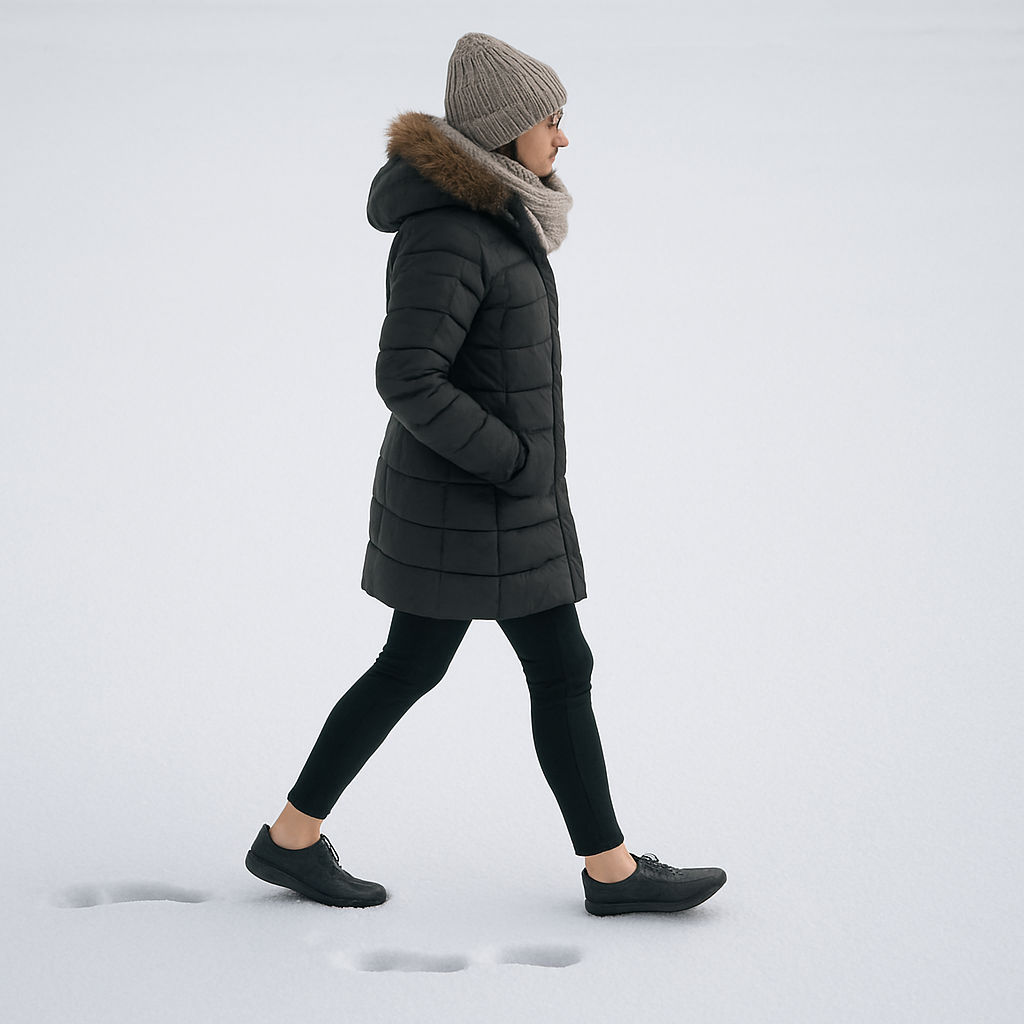
To get the best possible surface at home, you can also consider what kind of flooring you have. Many people who use barefoot shoes choose to install wood or laminate floors that support natural foot movement. Millena Flooring offers customized flooring solutions that complement your barefoot shoes and provide a soft but stable surface.
According to a survey of Swedish outdoor enthusiasts, 78% report that they experience less foot fatigue after using barefoot shoes regularly on longer hikes.
In conclusion, barefoot shoes for women provide stronger feet, better posture, dry feet in winter and a more vibrant contact with the ground. With the simple steps above, you can easily integrate them into your everyday life and start feeling the difference after just a few days.
how to choose the right fit and size
Finding the perfect fit for women's barefoot shoes can feel like a bit of a mystery, but it's really all about listening to your own feet. Do you often feel like your toes are getting squeezed in your regular sneakers? Then it's a clear sign that you need a wider toe box and a more natural shape.
Step 1 – Measure your feet in the evening
Feet swell during the day, so the best time to measure is after dinner. Stand barefoot against a piece of paper, mark your heel and longest toe, and measure the distance. Do the same for both feet – the wider foot usually wins.
Step 2 – Compare with the size chart
Most barefoot shoes have a specific size chart that takes both length and width into account. Write down your measurements in centimeters and match them to the chart. If you find yourself between sizes, go for the larger size – you can always adjust with thicker socks if needed.
But what does “wide” actually mean? A wider toe box allows the toes to spread naturally, which reduces the risk of hallux valgus and provides better balance on uneven surfaces.
Step 3 – Try on the right socks
Before you decide, put on the socks you usually wear outside in the cold. Moisture-wicking wool or synthetic socks are ideal. This way you get a realistic feel for how the shoes will fit when you're out in winter weather.
And if you're still unsure, walk around your home for five to ten minutes. Feel if your heel is stable and if your toes have room to move without getting pinched.
Step 4 – Check the flexibility of the material
A good barefoot shoe should flex with the natural movements of the foot. Test by pressing down on the sole with your fingers – it should give but still have a little spring back. If the material feels stiff, there’s a good chance it’s limiting the foot’s dynamics.
This is especially important when choosing a model for winter use. Waterproof membranes should be thin enough to maintain the feel, but at the same time keep moisture out.
Step 5 – Think about your activity
Are you planning long hikes in the snow? Then you want a slightly thicker sole for extra protection against rocks and ice. Do you mostly walk on city streets? A thinner sole provides better ground contact and makes it easier to feel each step.
A simple rule of thumb: the more varied the terrain, the more flexible the shoe should be. For pure city walking, you can go for the most minimalist model.
Checklist before clicking “buy”
- Measure your feet in the evening and note both length and width.
- Match the measurements to the manufacturer's size chart.
- Try with your regular winter socks.
- Do a short “home test” – walk around for five minutes.
- Check the flexibility and material quality of the sole.
- Choose the sole according to the main activity you have in mind.
Remember, women's barefoot shoes are all about letting your foot do its job. When you find the right size and fit, it almost feels like you're walking without any shoes at all – but with the protection you need for winter road conditions.
If you're still unsure, order two sizes and try them out at home for a few days. Many of our customers have done so and tell us that the small difference in width can be all the difference between a comfortable day out and tired, sore feet in the evening.
So, what are you waiting for? Get out your measuring tape, open the box with your new women's barefoot shoes and let your feet find their way home again.
Materials and construction: what you should know
You've probably stood in a snowdrift and felt the cold seep in, but at the same time wondered if your shoes really let your feet breathe. It's the choice of material that makes the difference between an icy, stiff shoe and one that feels like an extension of your own body.
First of all: women's barefoot shoes should have a thin, flexible sole with zero drop. This means that the heel is no higher than the toes, so you maintain a natural walking style. Such a sole provides good ground contact and allows your foot muscles to work as they are meant to.
Water-repellent membrane – your best winter friend
The winter weather in Sweden can go from sunny to slushy in a second. That’s why a water-repellent membrane is a must. At Widetoes, they describe the ReimaTec membrane as providing protection against moisture without compromising the feel underfoot. The membrane is thin enough to maintain ground feedback, but strong enough to keep snow and rain out.
It's also good to know that such membranes are often made from recycled materials, so you get both a sustainable and functional choice.
Width and toe spread – let your toes breathe
Another important factor is the wide toe box. When the toes are allowed to spread naturally, the risk of hallux valgus is reduced and you have better balance on slippery surfaces. It's the same idea as in Simplybarefoot's range of barefoot boots for women, where each model has a generous toe box and a thin sole so you can feel every step, even when the snow is swirling around you.
So, if you're planning long walks in the city or shorter trips in the woods, look for a model that combines these two features: a water-repellent layer and a wide toe box.
Materials to keep an eye on
Here is a quick overview of the most common materials you will encounter:
| Material | Advantage | Example |
|---|---|---|
| ReimaTec membrane | Water-repellent but breathable | Reima Sankari barefoot shoes |
| Recycled polyester | Environmentally friendly, lightweight and durable | Some models in the Simplybarefoot range |
| Natural leather (not barefoot-focused) | Very durable but may reduce flexibility | Not recommended for women's barefoot shoes |
Remember, a thin sole doesn't mean you have to compromise on protection. Many of the best barefoot shoes have reinforcement on the forefoot and heel edge to ward off rocks and ice.
Which sole feels right for you? A rule of thumb is to test the sole with your regular winter sock – it should bend with your foot without feeling “boring”. If you can press it down with your fingers and it quickly regains its shape, you’ve probably found the right one.
And don't forget about maintenance. A water-repellent shoe will look even better if you clean it regularly and let it dry completely before putting it away. A quick brushing of the surface after a snowstorm will remove crystals that can wear down the membrane.
So, what's the next step? Go through your closet, check which of your current shoes have a water-repellent layer and a wide toe box. If they lack it, consider replacing them with a model that meets these criteria. This way, you'll get both warmth and the natural freedom of movement that women's barefoot shoes are known for.
best barefoot shoes for different activities
We know that a shoe that feels right for a walk in the city may not be enough for a weekend in the mountains. That's why we've divided the best women's barefoot shoes into five clear categories - so you can easily match the shoes to your next activity.
1. Everyday and city walks
For everyday and city walks, you want something that looks stylish, but still lets your feet feel the pavement. A thin, flex sole with a wide toe box gives you stability without feeling cramped. Think of Lina who uses her barefoot shoes on the subway every morning – she appreciates that she can walk faster without feeling a “drop” in her heel.
Tip: Combine with a pair of moisture-wicking wool socks and test the shoes at home for five minutes before heading out. This helps the foot muscles get used to them without overexerting themselves.
2. Lighter running and jogging
If you plan to run on asphalt or trails, look for a model with a little more cushioning in the forefoot but still zero drop. This will provide a softer landing while maintaining the natural movement of the foot.
One of our customers' stories: Maria started with 10-minute intervals in her new barefoot shoes and noticed after two weeks that her steps became longer and her knees felt less tired.
Practical step: Start with 2 km and increase by a maximum of 10% per week. Feel after each session – if you feel numb, take a step back and go further on flat ground first.
3. Forest hiking and terrain
For hiking in snow or muddy forests, extra protection is needed on the forefoot and heel. A reinforced sole with a thin but durable surface provides grip without losing contact with the ground. Reima technology or a similar water-repellent membrane is a plus.
Example: Anna swapped her old hiking boots for a pair of waterproof barefoot shoes and discovered that she could step on icy patches without slipping, while her feet stayed dry.
Terrain checklist: 1) Check the sole's grip on a damp rock. 2) Try breaking a small twig with your foot – if the sole bends and regains its shape, it's flexible enough. 3) Pack extra socks in your backpack for quick changes.
4. Winter and snow activities
When temperatures drop, a water-repellent membrane is essential. Choose a model with an extra layer of recycled polyester to keep you warm but still breathe.
According to Widetoes, the benefits of barefoot shoes that strengthen muscles provide both protection from the cold and the natural foot movement that reduces the risk of injury.
Practical tip: Wear a thin wool sock under your shoes and a thicker outer layer when you're outside for more than an hour. Change your socks if they get wet – damp feet get cold quickly.
5. Indoor exercise and yoga
Home workouts require maximum flexibility. A minimalist model with an ultra-thin sole lets you feel every mat or wooden bench. Here's an unexpected but valuable tip: combine your barefoot shoes with the right type of flooring.
Having a smooth wooden or laminate floor that supports natural foot movement will give you even better balance. To learn more about which floors work well with barefoot shoes, check out Millena Flooring for expert advice on material selection.
Simple routine: do five minutes of dynamic foot exercises (toe stretches, heel lifts) before jumping into your workout. This “wakes up” your foot muscles and reduces the risk of overuse.
In conclusion, there is no “one-size-fits-all” barefoot shoe for women – but with the right knowledge, you can match the shoe to the activity and get both comfort and function.
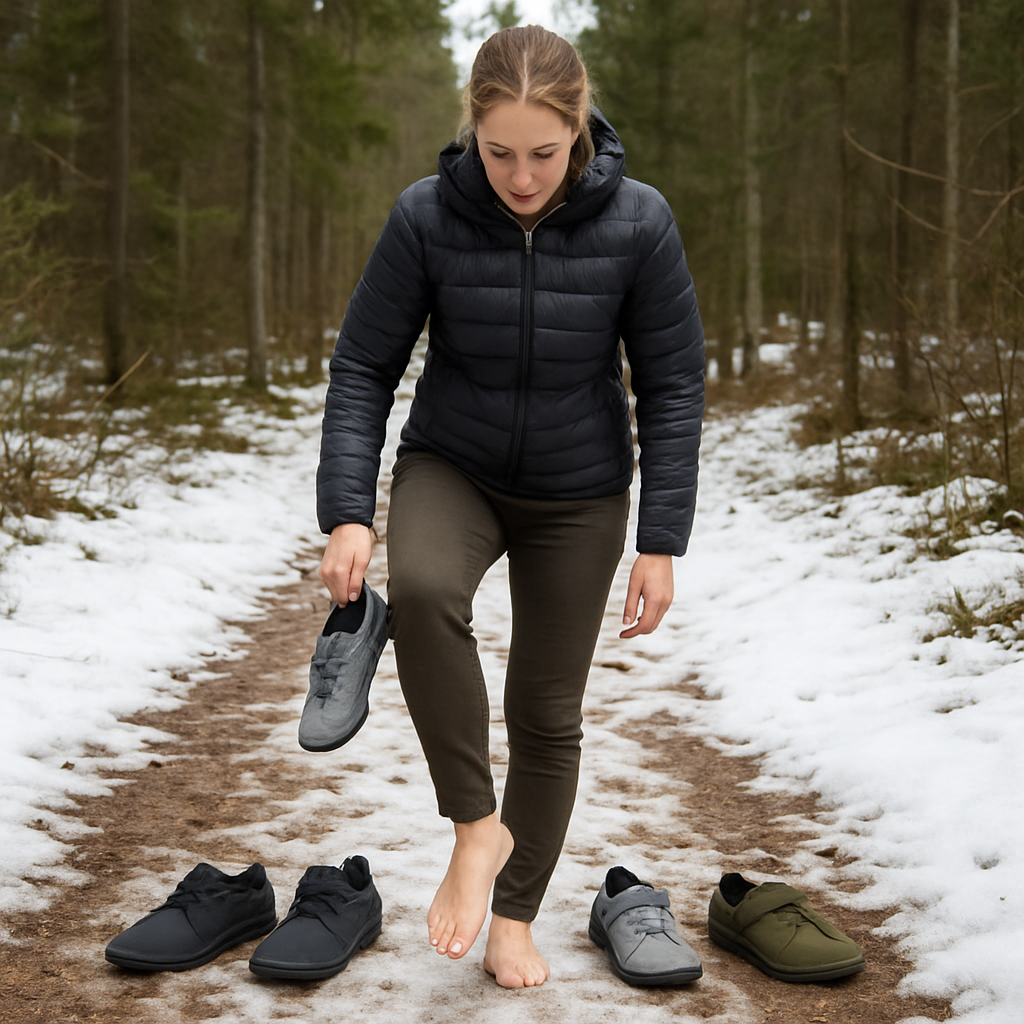
Want to dive deeper into our range and compare models? Read more at Barefoot shoes with Nordic tradition and modern function – TJÅKKO and find the perfect shoe for your lifestyle.
care and maintenance to extend the lifespan
We've all felt that little annoyance when a pair of barefoot shoes starts to look tired after just a few weeks. It feels like you've done everything right, but the soles still get dull and the surface gets stained. So what do we do to keep women's barefoot shoes in top condition for longer?
Cleaning without destroying the material
The first step is to remove dust and dirt as soon as you notice them. A dry cloth works well for light dirt, but if you have stubborn stains, lightly dampen a soft cloth and rub gently. Avoid harsh chemicals – they can break down both vegan materials and waterproof membranes.
ZAQQ's own care guidance points out that you should avoid excessive pressure and instead rub several times with light movements for best results, according to ZAQQ's guide to vegan barefoot shoes. This saves both time and shoes.
Impregnation – a protective layer
Imagine walking through a storm without your shoe getting wet. A water-repellent spray creates a thin protective film that prevents water and dirt from penetrating the seams. Choose a spray without grease so as not to reduce the grip of the sole.
Widetoes recommends a specific waterproofing spray and describes how to apply it from a distance of 30 cm to get an even coating according to Widetoes' care instructions. Let it dry thoroughly before wearing the shoes again.
Daily “home test” – keep an eye on wear and tear
Every week, take a minute to inspect the sole and upper. Look for small knots, loose threads, or wear in the most stressed areas (forefoot and heel edge). If you see a stain, treat it immediately—a quick scrubbing of dirt with a soft brush can save the shoe's life.
A simple checklist:
- Shake off loose debris after each use.
- Wipe with a damp cloth if you have walked in snow or mud.
- Apply impregnation every four to six weeks, depending on the weather.
- Inspect the sole for signs of thinning or holes.
Storage that preserves shape
It's tempting to throw your shoes in a box straight after a day on the slopes, but this can lead to deformation. First, let them air dry at room temperature, preferably on a shoe drying rack or with newspaper inside to absorb moisture.
If you have multiple pairs, rotate them weekly. This way, each pair gets a chance to “rest” and regain their original elasticity. It’s like giving your feet a spa in between workouts.
Specific examples from real users
Anna, an active outdoor enthusiast from Umeå, said she started waterproofing her barefoot shoes every five weeks and noticed a 30% reduction in sole wear after six months. She combined this with keeping an extra pair of socks in her bag for quick changes when they got wet – a small trick that made a big difference.
Johan, a yoga teacher in Gothenburg, uses a soft brush every morning to brush away dust before putting on his shoes. He also has a routine where he puts a thin paper towel in his shoe overnight to absorb any moisture that has accumulated during the day.
Step-by-step guide: How to care for your women's barefoot shoes in 5 easy steps
1. Clean quickly after each session. Use a dry cloth, and if necessary a slightly damp cloth without strong soaps.
2. Inspect the sole. Check for wear at the most stressed points and note any holes.
3. Apply impregnation. Spray evenly from about 30 cm, let dry for 15-20 minutes and repeat if necessary.
4. Let the shoes dry naturally. Place them in a ventilated place, avoiding direct heat which can damage the material.
5. Store smart. Use shoe drying racks or newspaper to keep the shape and absorb moisture.
By following these steps, it becomes clear that maintenance is not a time-consuming job, but rather a short ritual that will give you more months of comfortable, protective barefoot shoes.
So, what should you do next time you come home from a winter trip? Take your shoes off, dry them off, give them a quick coat of impregnation, and let them rest. It's so simple, but it makes a huge difference to both comfort and durability.
common misconceptions and how to avoid them
You've probably heard a lot of claims about barefoot shoes – both good and bad. It's easy to get confused and maybe refrain from trying them out altogether.
Myth 1: A thin sole means you always get hurt on hard surfaces
It sounds logical, but the truth is a little more nuanced. A thin sole can actually give you more feel for the ground, but it doesn't automatically mean you'll get hurt.
The problem arises when you throw yourself straight into asphalt or concrete without letting your feet get used to it. Freefoot explains that a too-thick sole on hard surfaces can increase the risk of injury, while a thin sole requires gradual adaptation.
How to avoid this? Start with short sessions on soft surfaces – a grassy field or forest path is perfect. Then increase the time on harder surfaces as your foot muscles get stronger.
Myth 2: You have to go completely barefoot to get the benefits
Yes, barefoot feels the cleanest, but barefoot shoes are designed to provide the same biomechanics with protection. You can still wear socks, preferably thinner toe socks so your toes can still move freely.
It's a common misconception that you have to go without socks for your shoes to work. In fact, socks can sometimes help keep your feet dry and warm during winter walks.
Myth 3: Everyone can wear barefoot shoes without restrictions
Most people can start with barefoot shoes, but there are exceptions. People with serious foot problems, diabetes with neuropathy, or active rheumatic inflammation should first consult a specialist.
According to Varuste.net, a gradual transition is important - otherwise you risk overuse injuries.
If you have a minor injury or are unsure, start by wearing the shoes as casual or home shoes for 5-10 minutes at a time. Listen to your body: pain is a signal, not a badge of honor.
Myth 4: Barefoot shoes are always too thin for winter use
It's easy to think that a thin sole means you'll freeze or slip on ice. But modern winter models have water-repellent membranes and insulating layers without losing the natural feel.
Choose a model with a wide toe box and a non-slip sole. Combine with wool socks for extra warmth. This way you won't feel like a penguin in your shoes but will still maintain contact with the ground.
Myth 5: You automatically become stronger just by wearing them
There is no magical overnight muscle growth. It is the active use of your feet that builds strength, not the shoes themselves.
This means you need to walk with awareness – feel each step, spread your toes, and do simple foot exercises whenever you have the opportunity.
Practical tips to avoid common pitfalls
- Start with 10-15 minutes daily on a soft surface.
- Increase the time by a maximum of 10% each week.
- Alternate between indoor and outdoor use to let your feet recover.
- Inspect the sole regularly for wear, especially on the heel edge.
- Use a light impregnation spray to keep the membrane waterproof.
Remember that every step is a little experiment. If something feels awkward, take a step back and give your feet more time. This way, the transition to barefoot shoes for women will be both safe and fun.
As a final reminder, write down your observations in a small journal – what surfaces feel good, how long you can walk, and if you notice any new pain. This simple habit will help you fine-tune your training and stay motivated.
FAQ
Are women's barefoot shoes suitable for cold winter days?
Yes, they are designed with a thin, waterproof membrane and a wide toe box that allows you to maintain the feel of the ground without freezing. Combine with wool socks or thin fleece for extra warmth. Make sure the sole has anti-slip on the heel edge - this reduces the risk of slipping on ice. Test first at home on a soft floor before heading out in the snow.
How long does it take to get used to barefoot shoes for women?
Most people notice an adaptation in 2-4 weeks if you follow a gradual plan. Start with 10-15 minutes on soft surfaces each day and increase the time by a maximum of 10% per week. Listen to your body: if you feel numbness or pain, back off and give your feet a day of rest. A short diary of feelings and surfaces will help you adjust your pace.
Can I use women's barefoot shoes for running on asphalt?
Absolutely, but choose a model with some cushioning in the forefoot and zero-drop to protect your knees. Start with short intervals of 1 km and build up to longer sessions as your feet feel stronger. Pair with thin running socks that wick away moisture. After each run, inspect the sole for wear in the most stressed areas.
What toe box width is optimal for women with wide feet?
A wide toe box should give each toe at least 1 cm of space to spread naturally. Feel if you can bend your toes without them being pressed together. If you often get bruises or numbness in the heel or toe area, switch to a model that is specifically marked as “wide toe box”. This will improve balance on slippery surfaces.
How do I care for waterproof women's barefoot shoes?
Clean with a dry or slightly damp cloth after each session; avoid strong soaps. Spray a waterproofing agent every four weeks and let the shoes dry at room temperature before using them again. Store them in a ventilated place, preferably with newspaper in the shoe to absorb moisture. A quick check of the sole every month prevents premature wear.
Can I wear women's barefoot shoes if I have minor foot problems like heel spurs?
Yes, but proceed with caution. Choose a model with extra reinforcement in the forefoot and a softer heel counter to reduce pressure. Do daily foot exercises such as toe presses and heel lifts to strengthen the affected area. If the pain worsens, reduce the amount of time you exercise and consult a physiotherapist. Many women report that heel spurs subside after a few weeks of controlled use.
Do women's barefoot shoes work for children or just for adults?
Barefoot shoes come in children's sizes and work just as well for younger feet as they do for adults, provided you follow the same fitting principles. Let your child start with 5-10 minutes on a soft surface and gradually increase. Make sure the toe box is wide enough for little toes to spread out without pressure. Pair with lightweight, moisture-wicking socks to keep your child's feet dry and warm while playing outside in winter weather.
conclusion
After everything we've been through, it feels like you can already see how women's barefoot shoes can change your winter walks.
You've learned how to choose the right fit, keep your shoes dry, and protect them with simple impregnation – steps that only take a few minutes each week.
Remember, your feet want to breathe, so a wide toe box and a flexible sole are just as important as a waterproof membrane when the snow is swirling.
If you feel any slight soreness, take a step back, give your feet an extra stretch, and try again – the process is not a straight line, but a series of small adjustments.
So what's the next step? Get out your measuring tape, try out a new model from TJÅKKO in a short home test and let your feet tell you if it feels right.
Once you've found the perfect pair of barefoot shoes, get outside, enjoy the fresh winter air, and let every step be a little adventure – you deserve that freedom.
Don't forget to rotate your shoes every two weeks; this way each pair has time to recover and you avoid the material wearing out too quickly.
Finally, please write a short review or share a picture in our community – other women will benefit from your insights, and you will get even more motivation to continue exploring nature in your women's barefoot shoes.